How Flat Top Tower Cranes Reduce Extra Crane Use in the Dismantling Stage
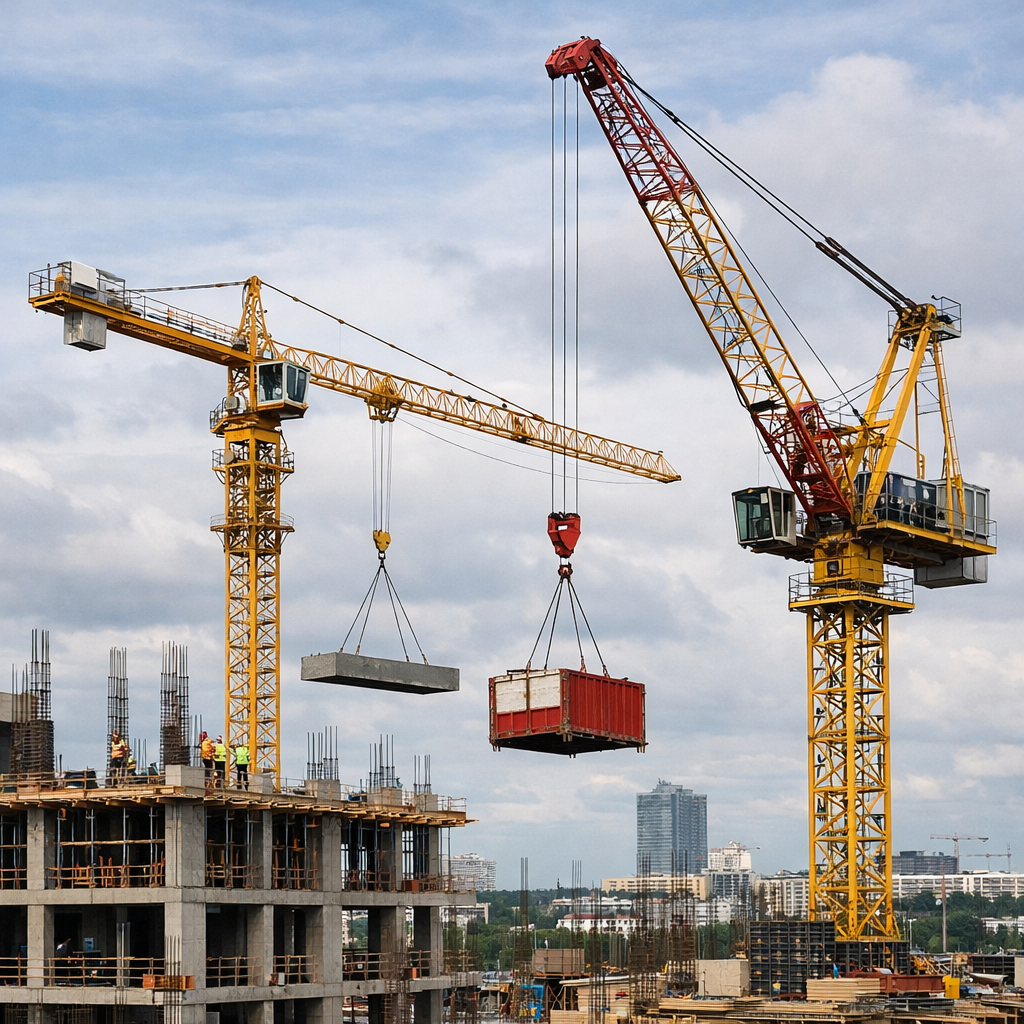
Dismantling tower cranes at the end of a construction project can be as challenging as erecting them, especially in urban environments with limited space. Flat top tower cranes offer unique advantages that simplify the process and reduce reliance on additional cranes.
The Dismantling Challenge
During the dismantling phase, traditional cranes often require support from auxiliary cranes to remove sections safely. Challenges include:
- Limited maneuvering space
- Heavy tower sections
- Height restrictions
- Coordination with ongoing site activities
These factors can increase time, cost, and risk if not managed effectively.
Flat Top Crane Design Advantages
- Modular, Self-Dismantling Sections
Flat top tower cranes are designed with modular components that can be dismantled in smaller, manageable sections. This reduces the need for external lifting support, enabling the crane to partially self-dismantle.
- Compact Jib and Slewing Mechanism
The flat-top design eliminates the kingpost, allowing a compact jib and optimized slewing radius. This means the crane can lift and lower its own sections without interfering with nearby structures or requiring another crane.
- Integrated Hydraulic Systems
Many modern flat-top cranes are equipped with hydraulic or climbing systems that assist in lowering tower sections safely to the ground, further reducing dependency on auxiliary cranes.
Safety and Efficiency Benefits
- Minimized On-Site Coordination
With fewer support cranes needed, site coordination becomes simpler, reducing the risk of accidents and miscommunication during the dismantling process.
- Faster Project Completion
Flat top cranes can often complete their own dismantling faster than traditional tower cranes that rely on external lifts, helping projects meet tight deadlines.
Cost and Resource Optimization
- Reduced Equipment Requirements
Fewer auxiliary cranes mean lower rental costs, fewer operators, and less ground-space congestion during dismantling.
- Efficient Labor Allocation
Site crews can focus on other tasks instead of constantly managing external crane operations, improving overall productivity.
Conclusion
Flat top tower cranes are more than lifting machines—they are engineered for efficiency throughout their lifecycle. Their modular design, compact profile, and integrated hydraulic systems allow them to self-dismantle with minimal crane support. This reduces dependency on additional equipment, enhances safety, and shortens dismantling timelines, making them ideal for modern urban construction sites.