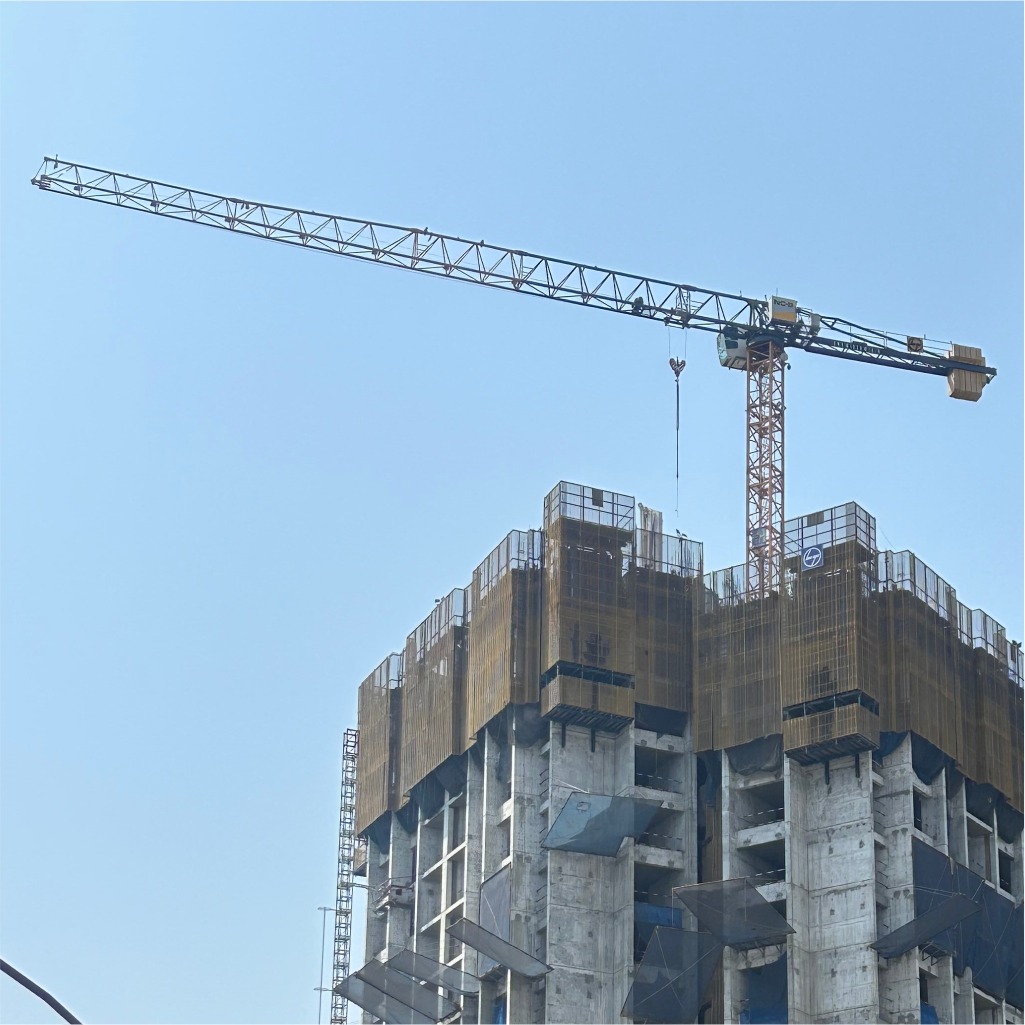
Why Traditional Scaffolding Works Better with Modern Equipment
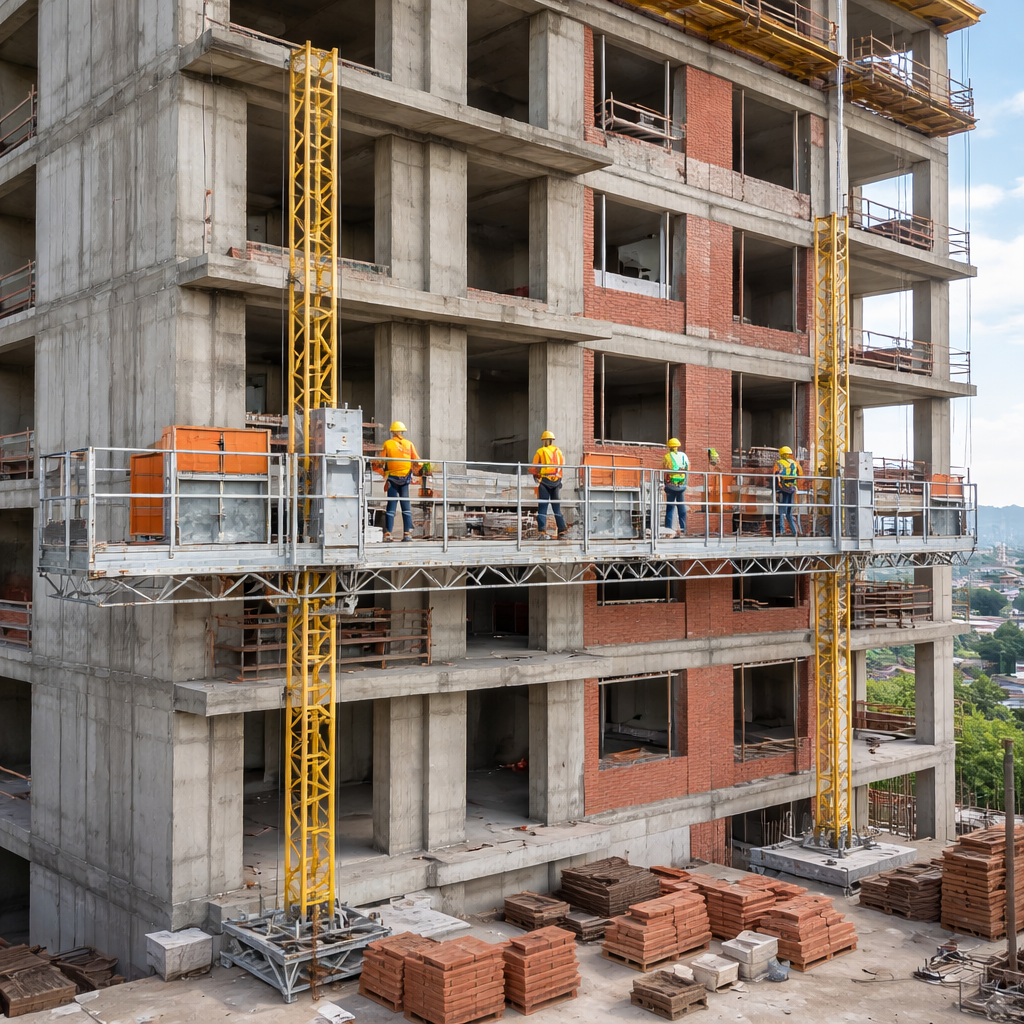
India’s construction landscape is evolving faster than ever. With high-rise towers, mega-industrial facilities, and complex mixed-use developments shaping major cities, project requirements have become more demanding. While traditional scaffolding continues to play an important role, especially for low-rise and static access needs, modern construction increasingly requires faster, safer, and more mechanised vertical access solutions.
This is where construction hoists, mast climbing work platforms (MCWPs), and advanced access systems are gaining wider adoption. Rather than replacing scaffolding entirely, these systems complement traditional methods by addressing challenges related to height, scale, timelines, and safety on modern job sites.
This shift isn’t theoretical — it’s already visible across active construction sites in India, where contractors are combining scaffolding with mechanised access to meet higher performance and safety expectations.
Why Modern Vertical Access Is Gaining Wider Adoption
1. Faster Vertical Movement for Large-Scale Projects
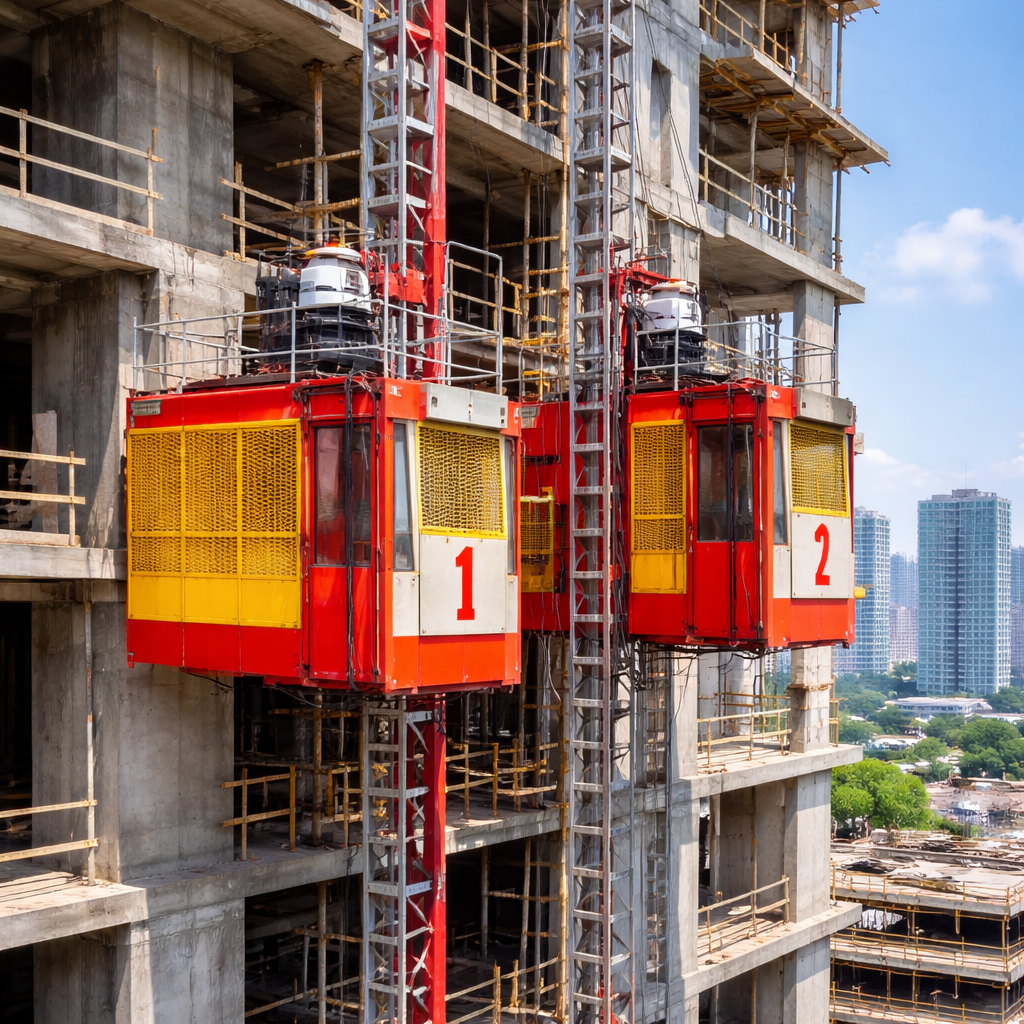
Traditional scaffolding provides stable working platforms, but it requires time for erection, modification, and dismantling. On large or fast-track projects, rack & pinion construction hoists offer a practical advantage by enabling continuous and efficient vertical movement of workers and materials.
Hoists help reduce waiting time, improve workforce utilization, and keep activities moving smoothly across multiple floors.
- Explore Vertikal’s hoist solutions: Construction Hoists
2. MCWPs Enhance Precision for Façade, Glazing & Cladding
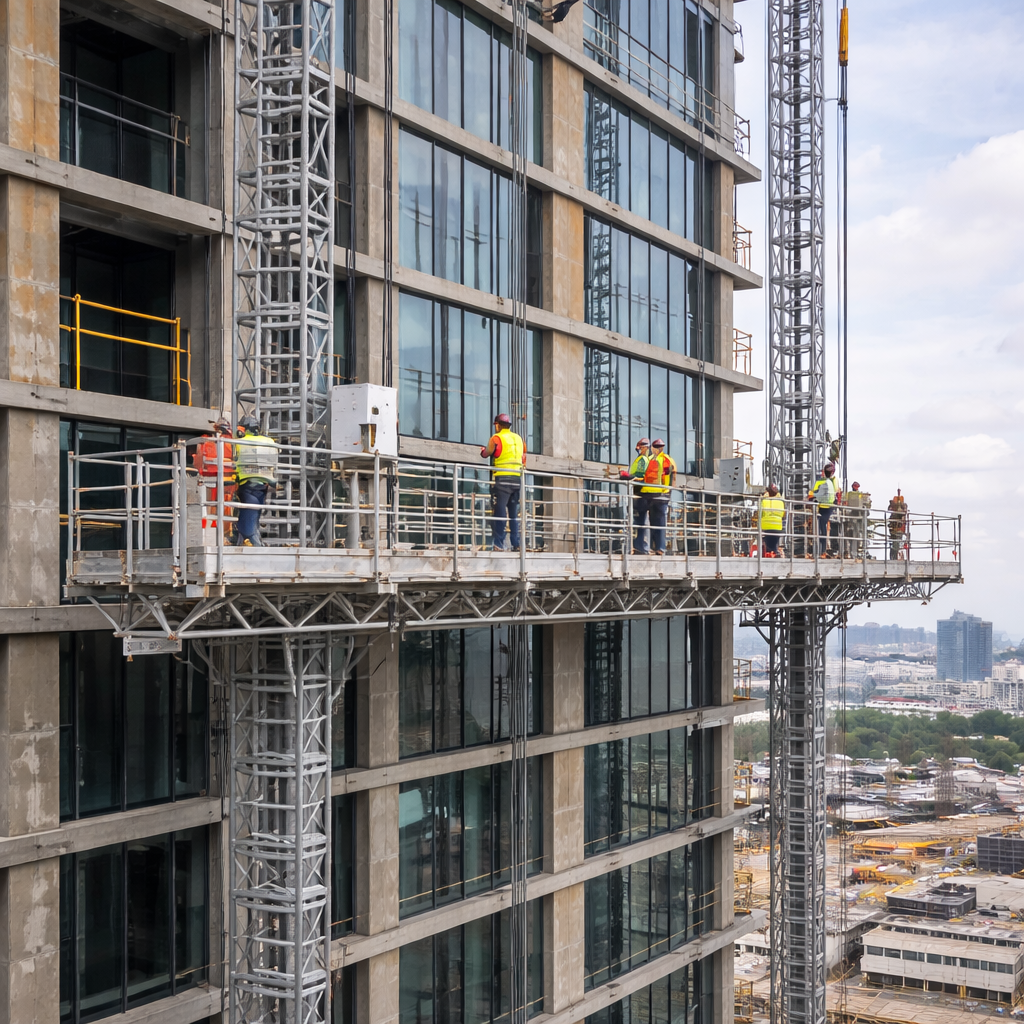
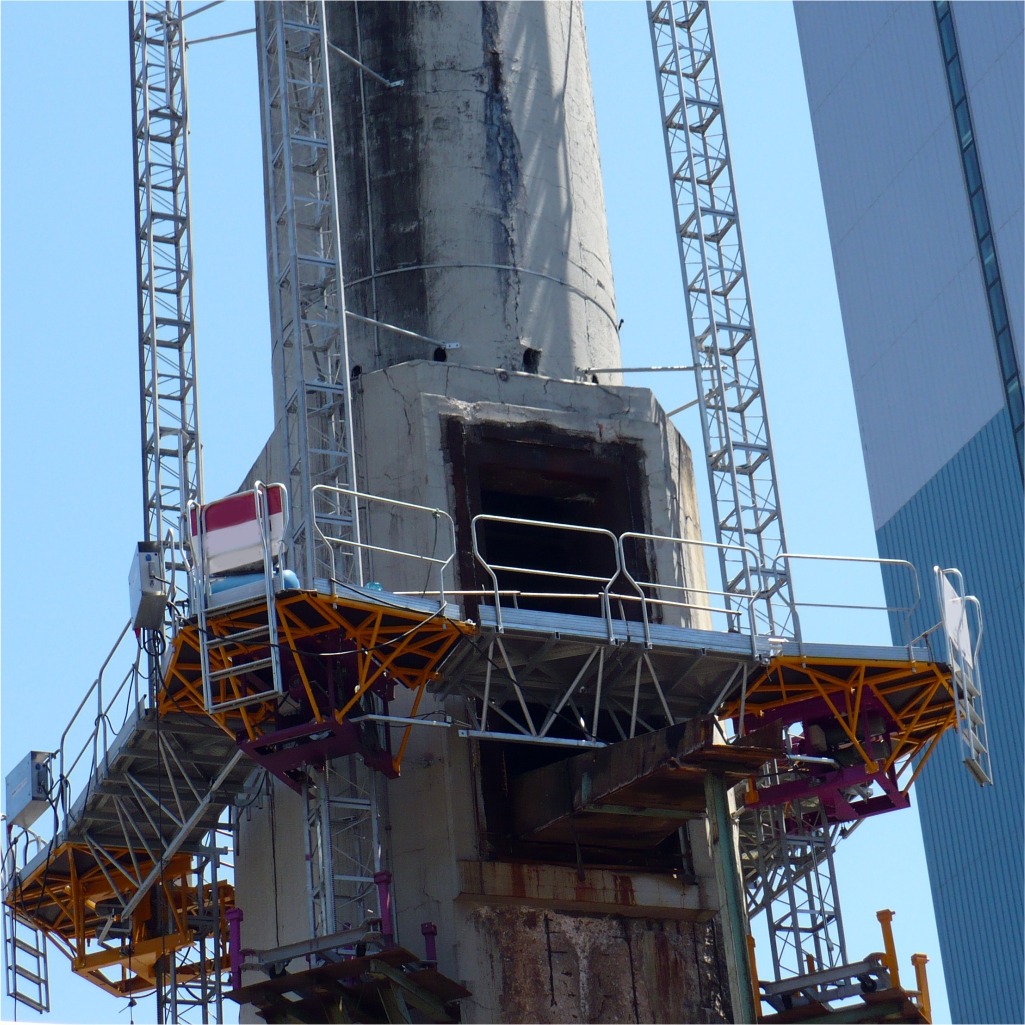
For façade-intensive work such as glazing, cladding, painting, or insulation, MCWPs provide controlled, elevation-specific access. These platforms travel along the building face, allowing workers to maintain consistent positioning without frequent dismantling or adjustments.
While scaffolding remains effective for static access, MCWPs are especially beneficial when large elevations need uniform, uninterrupted coverage.
- Check MCWP systems here: Vertikal
3. Evolving Safety Expectations on Modern Sites
Safety standards across Indian construction sites are rising steadily. Mechanised access systems are designed with integrated safety features such as interlocks, overload protection, emergency descent systems, and certified components.
These built-in systems help reduce dependence on manual processes and enhance safety consistency, especially on high-rise or complex projects. Scaffolding, when properly designed and installed, remains safe, but modern equipment adds additional layers of engineered protection.
4. Long-Term Efficiency & Project Economics
Scaffolding is often perceived as a cost-effective solution — and for many applications, it is. However, on long-duration or high-rise projects, repeated erection, labour intensity, and time-related inefficiencies can impact overall project economics.
Modern vertical access systems help optimize labour usage, shorten construction cycles, and reduce indirect costs, making them a valuable investment alongside traditional methods.
5. Supporting India’s Vertical Growth
As Indian cities continue to grow upward, projects are becoming taller, denser, and more schedule-driven. Hoists and MCWPs are engineered to support greater heights, higher loads, and continuous operation, making them well-suited for residential towers, commercial complexes, metro infrastructure, and industrial facilities.
In such environments, scaffolding and mechanized systems often work together — each serving the application where it performs best.
The Future Is Mechanized, Safe & Collaborative
India’s construction industry is moving toward global benchmarks where technology, safety, and productivity work hand in hand. Instead of relying on a single access method, developers and contractors are adopting hybrid access strategies that combine scaffolding with mechanised vertical solutions.
With proven equipment, technical expertise, and strong on-site support, Vertikal plays a key role in helping projects adopt the right access solution for every stage — enabling smarter, faster, and safer construction outcomes.
FAQs
1. Why are construction hoists becoming more widely used on modern projects?
Because hoists improve vertical transportation efficiency, support higher buildings, reduce waiting time, and help maintain consistent productivity on large-scale sites.
2. Where are MCWPs most commonly applied in India?
MCWPs are commonly used for façade work, glazing, cladding, painting, insulation, and elevation-based maintenance on high-rise and commercial projects.
3. Does Vertikal provide installation and maintenance support for hoists and MCWPs?
Yes. Vertikal offers equipment rental, installation, trained operators, and comprehensive on-site service support to ensure safe and uninterrupted project execution.