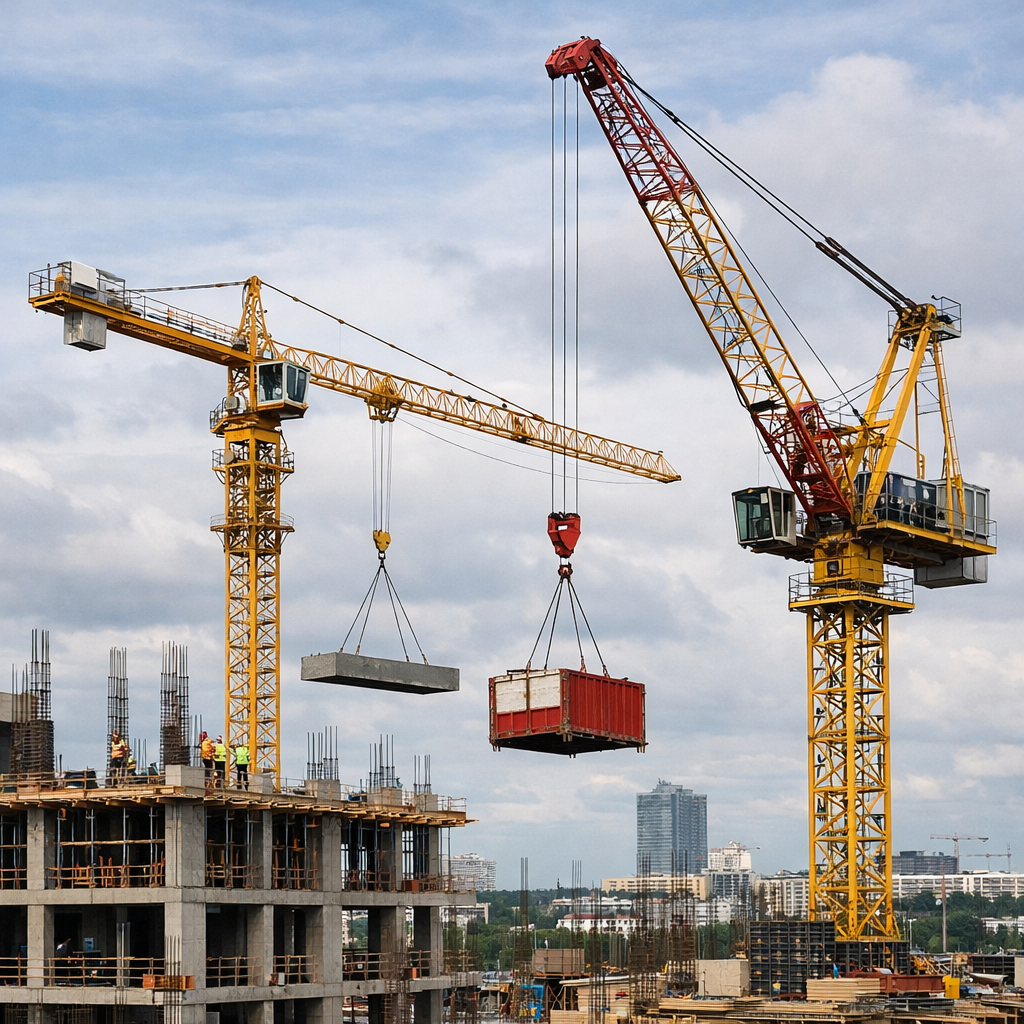
How to Choose Tower Cranes for Infrastructure Projects
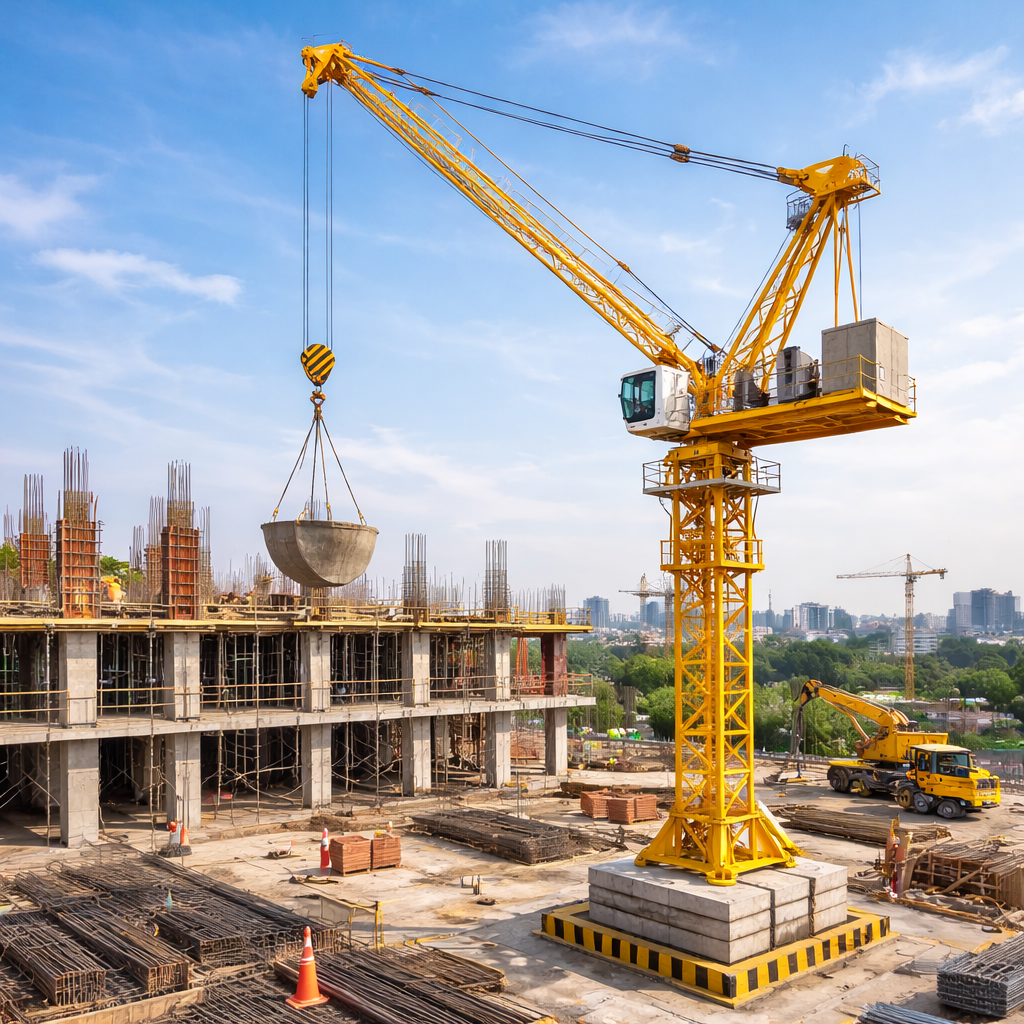
Metro and large infrastructure projects involve complex construction demands: heavy loads, tight urban spaces, and strict timelines. Choosing the right tower crane is crucial for safety, efficiency, and cost-effectiveness. Selecting the wrong crane can lead to delays, higher costs, and operational challenges. Here’s a guide to help project teams make informed decisions.
1. Assess Project Requirements
Before selecting a crane, consider the core project needs:
- Height requirements: How tall does the crane need to lift materials?
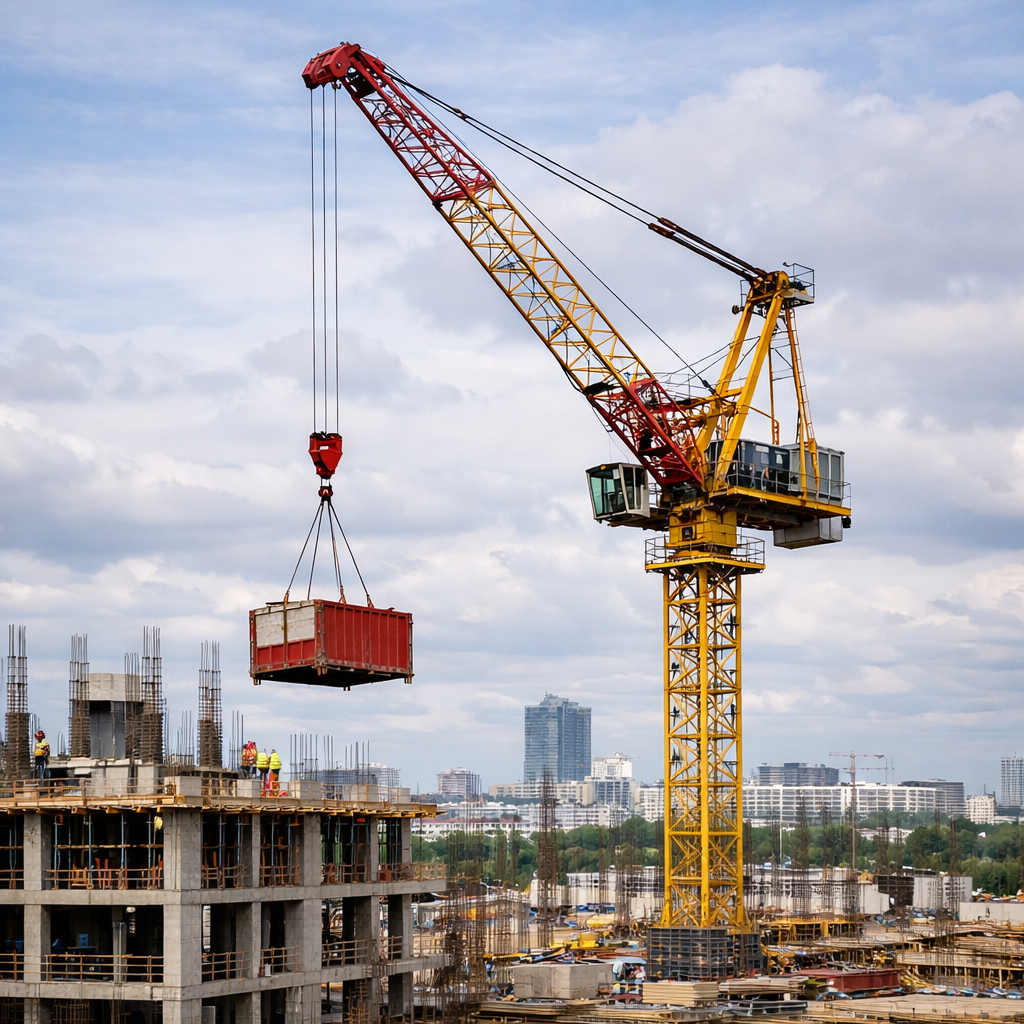
- Load capacity: Maximum weight of modules, concrete, or steel components
- Reach and radius: Horizontal coverage needed for site operations
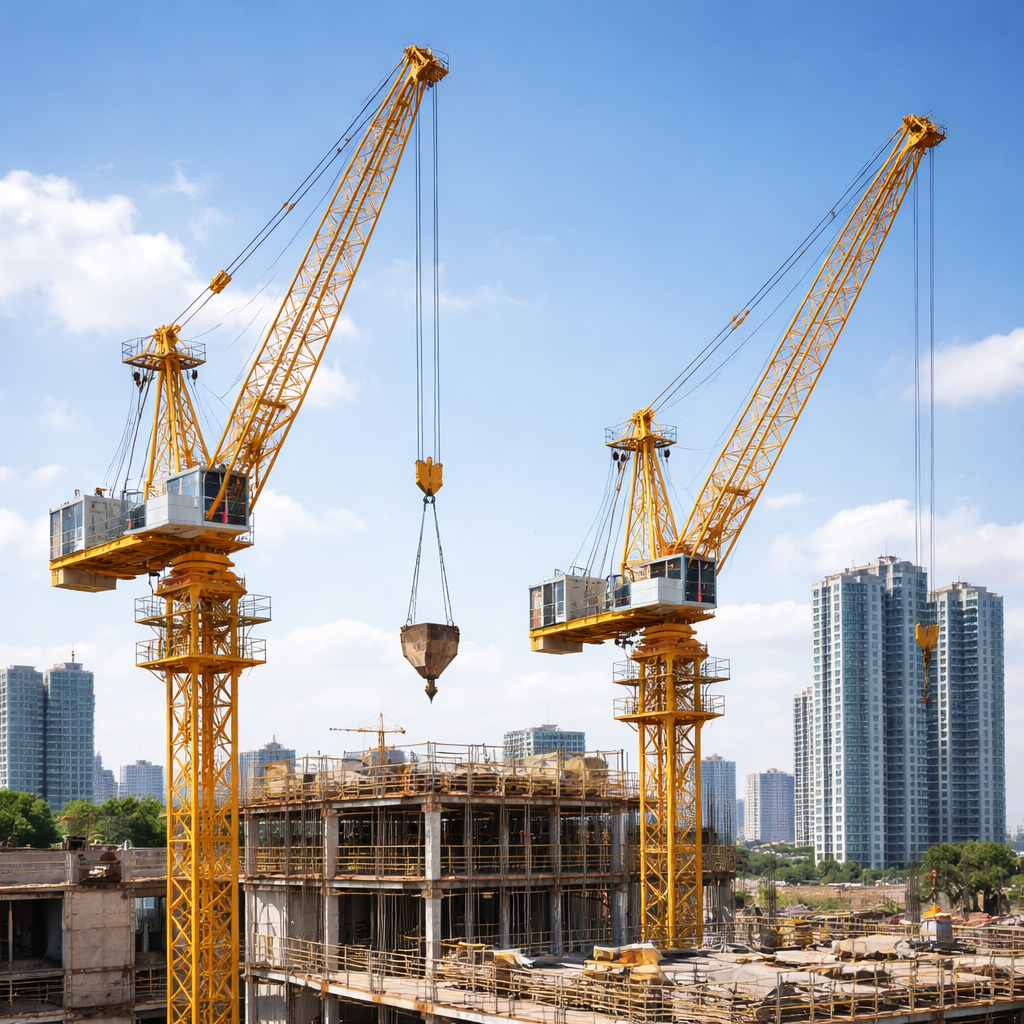
- Number of cranes: Coordination between multiple cranes on the same site
Understanding these requirements ensures the crane meets project demands without overloading or underutilization.
2. Choose the Right Type of Tower Crane
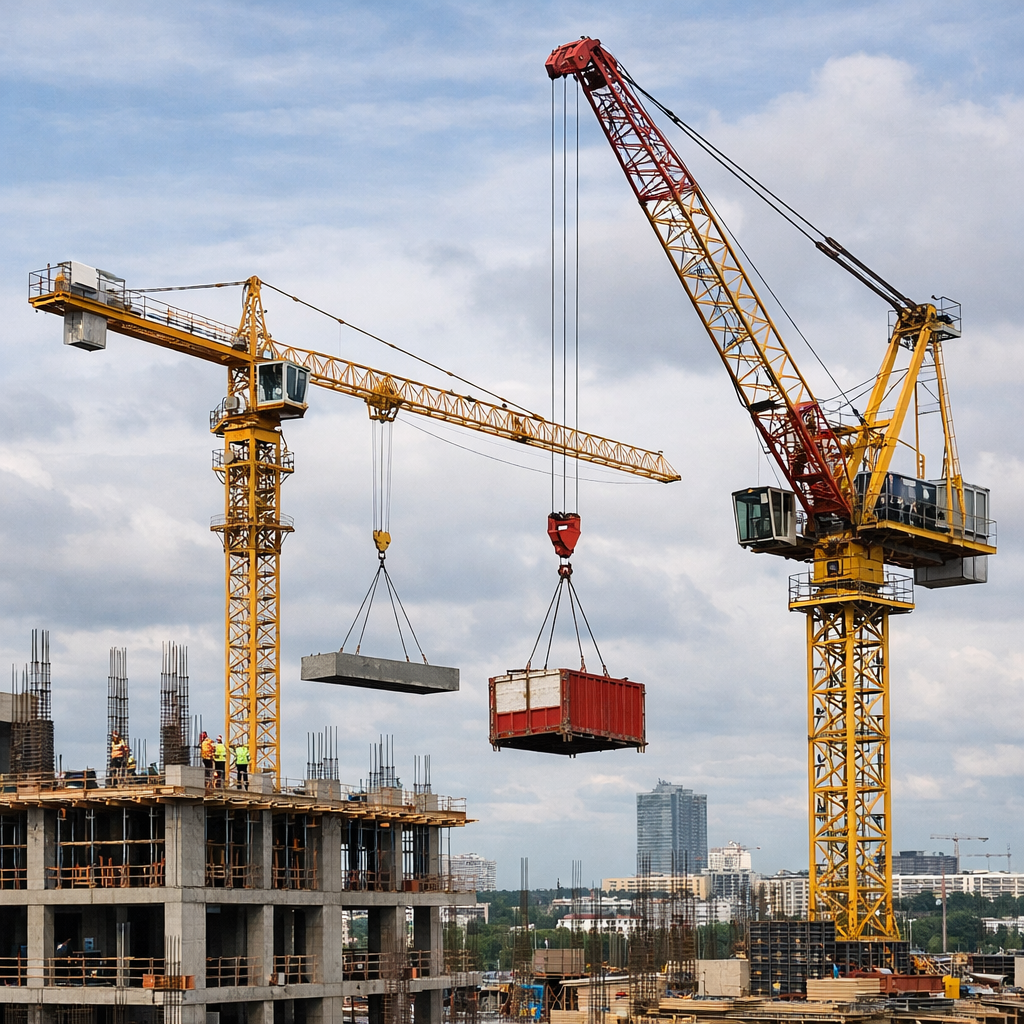
Metro and infrastructure projects often use either flat-top (topless) or luffing jib cranes. Consider:
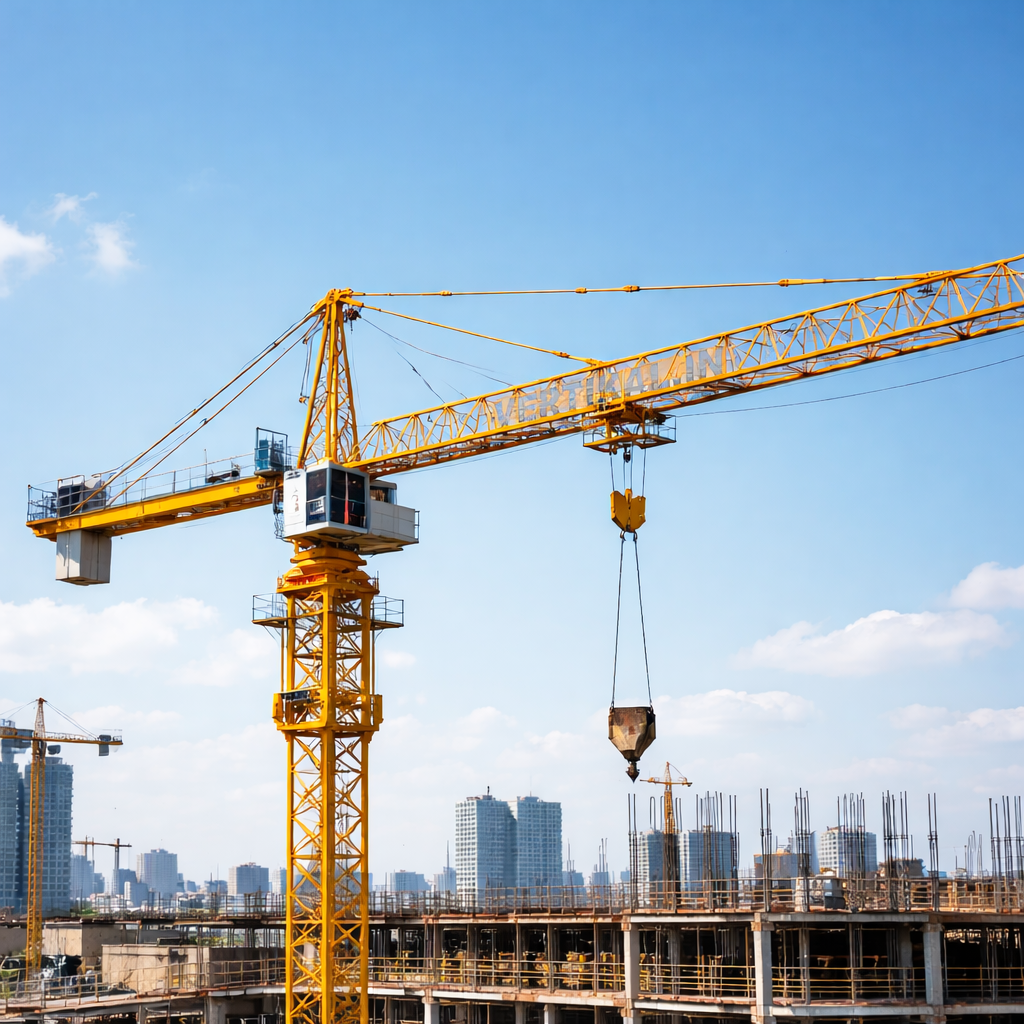
- Flat-top cranes: Ideal for open sites, quick assembly, and repetitive lifting tasks
- Luffing jib cranes: Suitable for dense urban areas, restricted spaces, and projects requiring precise placement of heavy materials
Selecting the correct type improves operational efficiency and minimizes interference with other site activities.
3. Evaluate Site Constraints
Infrastructure sites often present unique challenges, including:
- Limited space for crane installation
- Adjacent buildings or utilities
- Ground conditions and load-bearing capacity
A crane that fits the site safely and can operate without frequent repositioning will save time and reduce costs.
4. Factor in Safety and Compliance
Safety is non-negotiable. Look for cranes with:
- Load-monitoring systems
- Anti-collision features
- Emergency stop mechanisms
- Compliance with local regulatory standards
Proper safety features prevent accidents, reduce downtime, and ensure smooth operations.
5. Consider Long-Term Efficiency
- Evaluate assembly and dismantling time
- Assess ease of maintenance and availability of spare parts
- Consider operational reliability for prolonged project durations
A crane that is easy to operate and maintain ensures the project stays on schedule and within budget.
Conclusion
Selecting the right tower crane is a strategic decision for metro and infrastructure projects. By assessing project requirements, understanding site constraints, and prioritizing safety, teams can optimize lift operations, enhance productivity, and maintain project timelines.
At Vertikal, we provide expert guidance and a range of tower cranes designed to meet the unique demands of metro and large-scale infrastructure projects—ensuring safe, efficient, and cost-effective operations.