Construction Hoists in Structural and Finishing Phases: What You Need to Know
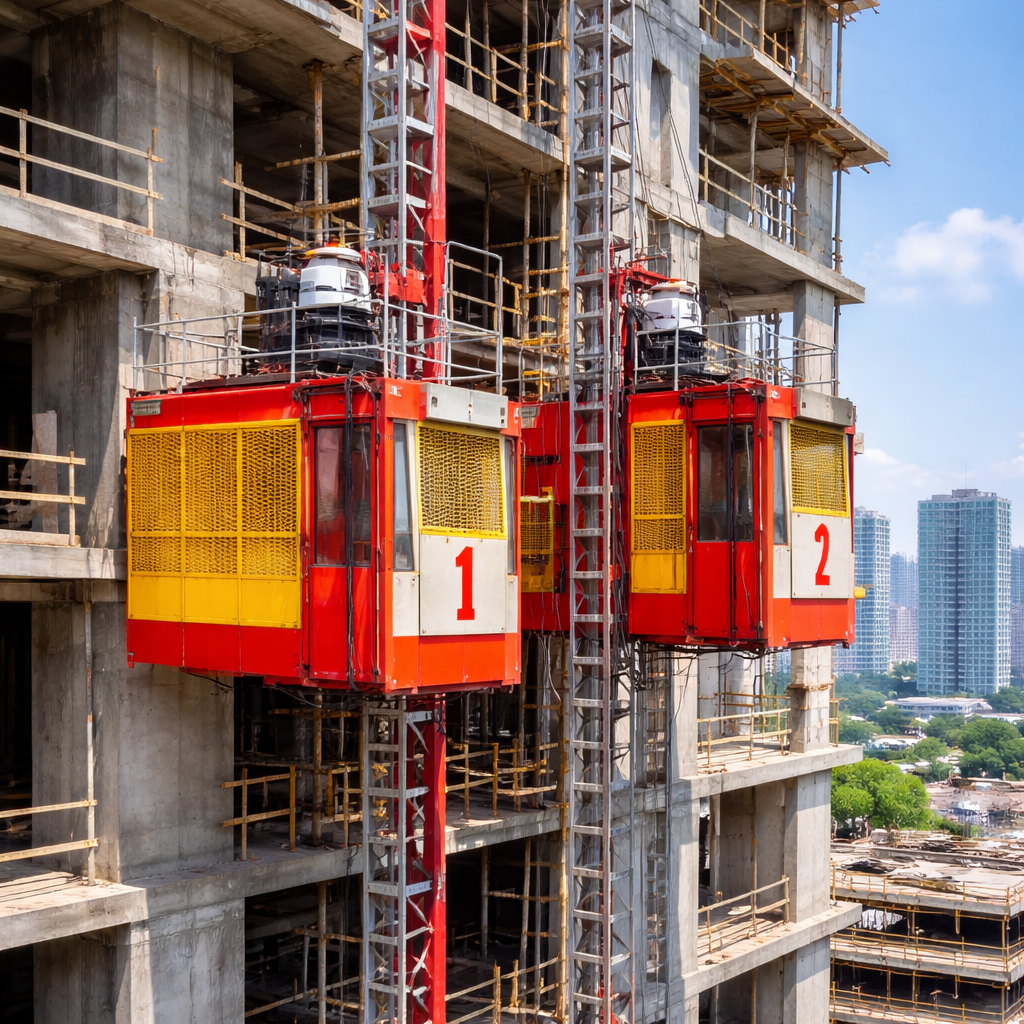
Construction hoists, also known as material or personnel hoists, are vital for modern construction projects. Their role changes depending on whether a site is in the structural or finishing phase, making them indispensable for efficiency, safety, and productivity.
Understanding Construction Hoists
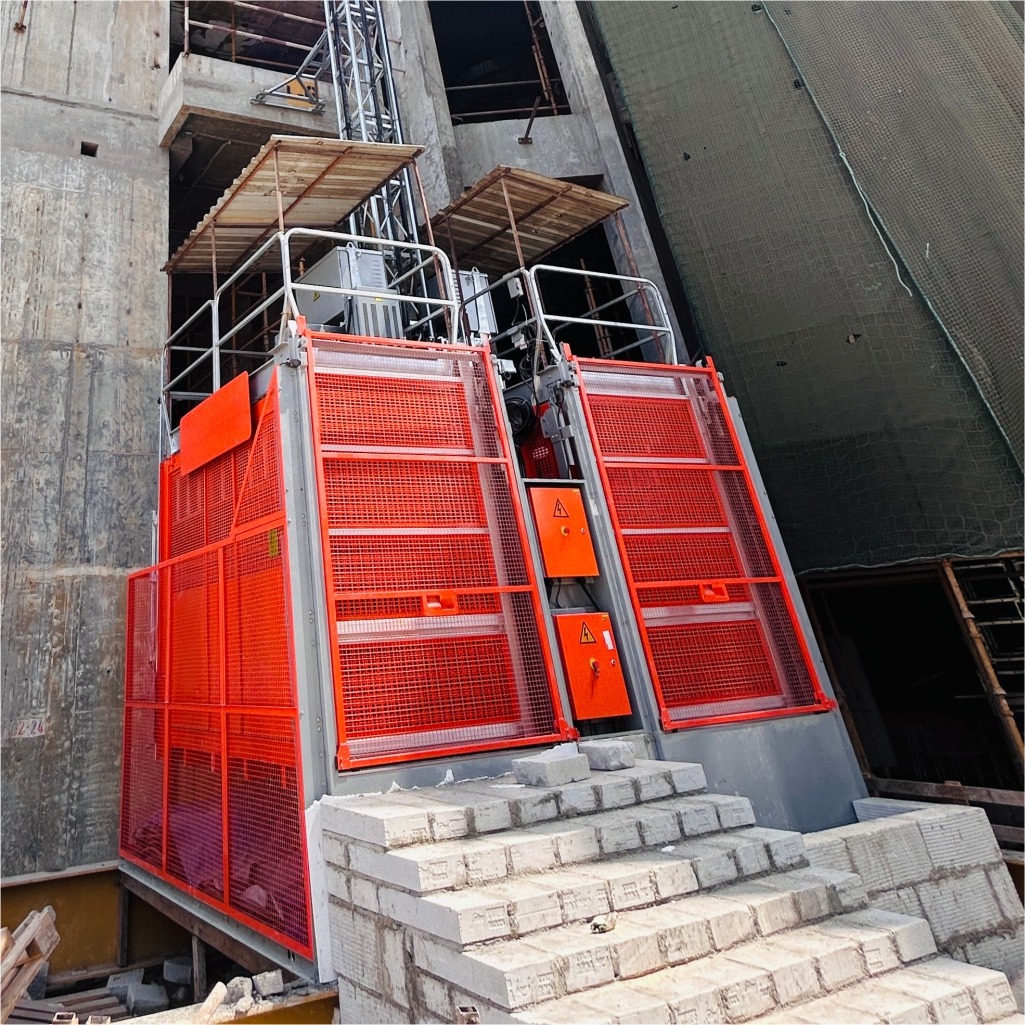
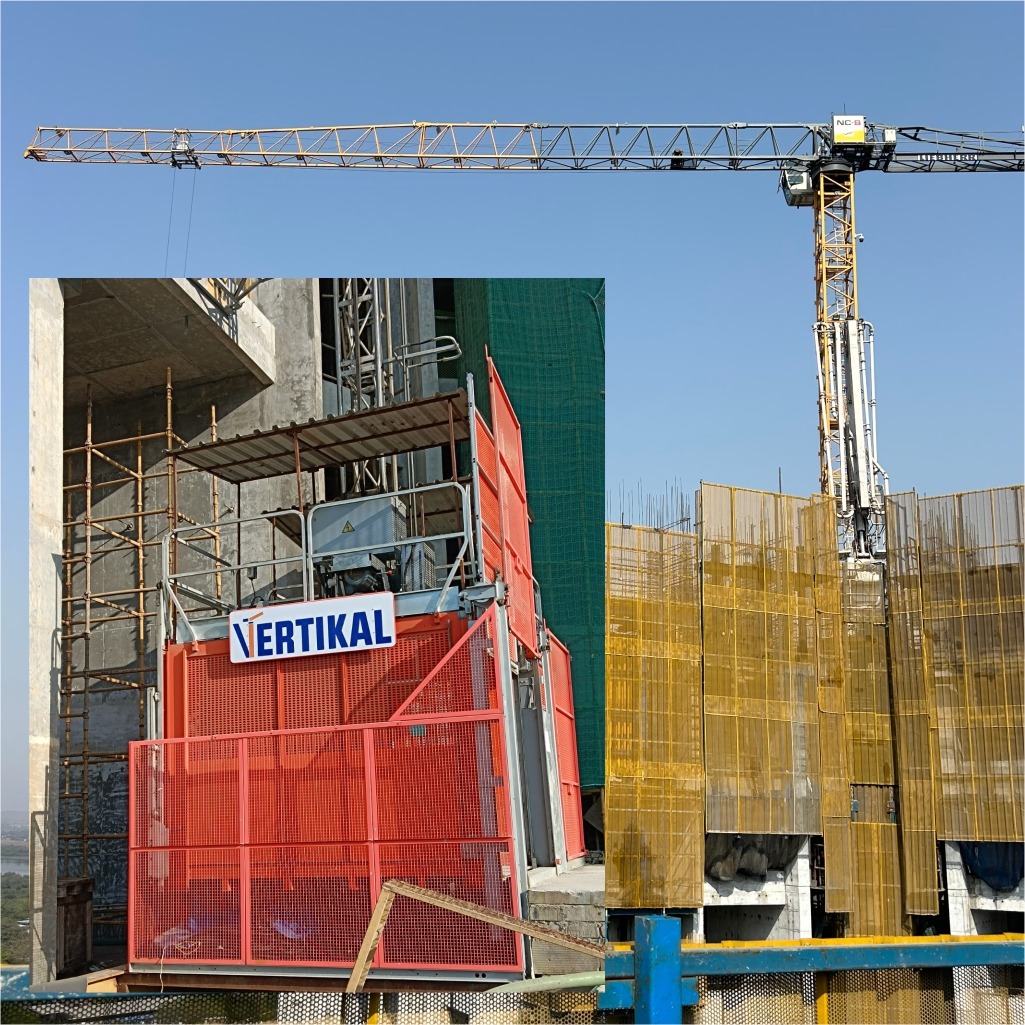
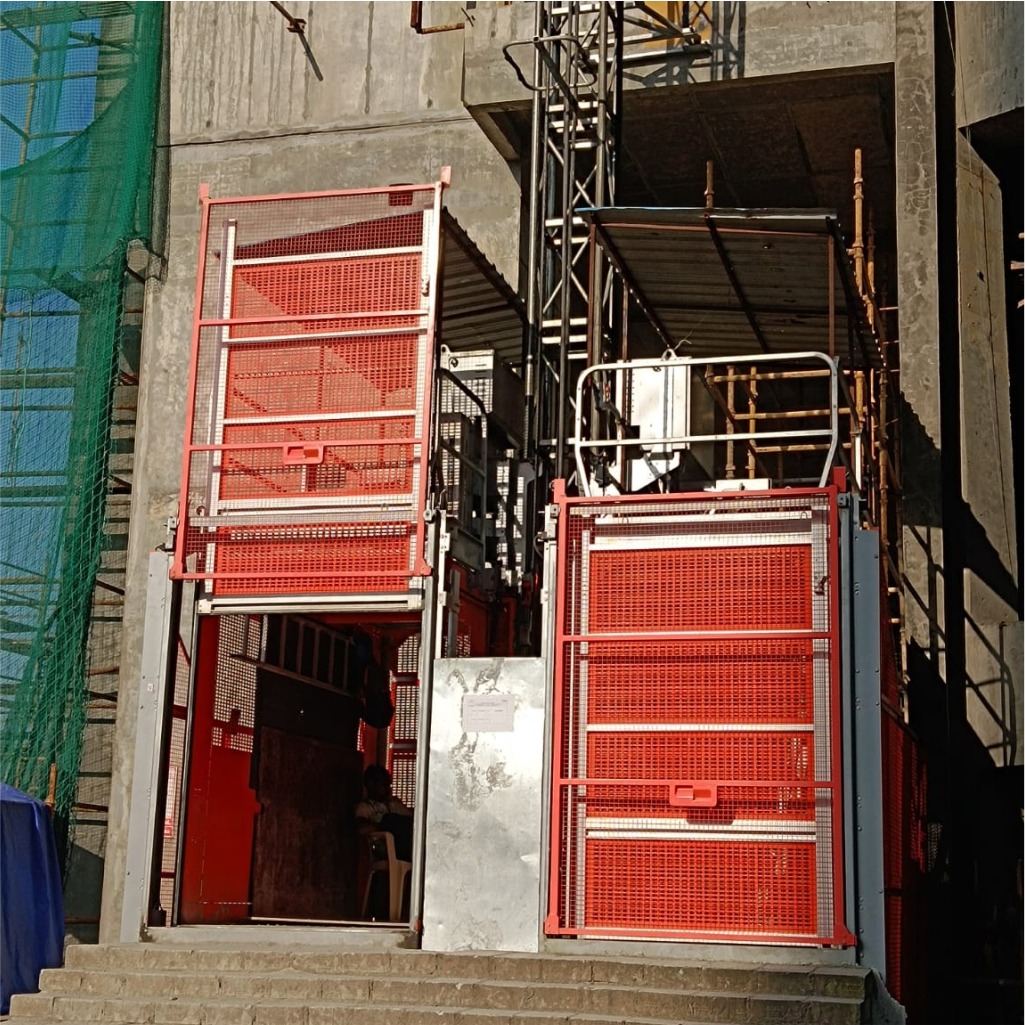
Construction hoists are vertical transport systems that move workers, materials, and equipment between floors. They are especially important for high-rise projects where elevators are not yet operational.
Role During the Structural Phase
- Heavy Material Transport
In the structural phase, large quantities of concrete, steel, formwork, and scaffolding must be moved quickly to upper floors. Construction hoists reduce reliance on manual labour, accelerate timelines, and maintain consistent material flow.
- Worker Mobility and Safety
Hoists allow workers to reach multiple levels safely without climbing temporary ladders or scaffolds, minimizing fatigue and accident risk.
- Site Organization
By centralizing vertical transport, construction hoists help maintain order on busy structural sites, preventing congestion and enabling simultaneous work across floors.
Role During the Finishing Phase
- Precision Material Handling
During finishing works, materials like glass panels, electrical equipment, and interior furnishings need careful handling. Hoists with adjustable platforms allow precise movement, reducing damage and improving installation efficiency.
- Enhanced Productivity for Multi-Level Tasks
Finishing often requires crews to work on multiple floors simultaneously. Construction hoists ensure that workers and materials reach the right floor promptly, avoiding delays.
- Minimizing Disruption
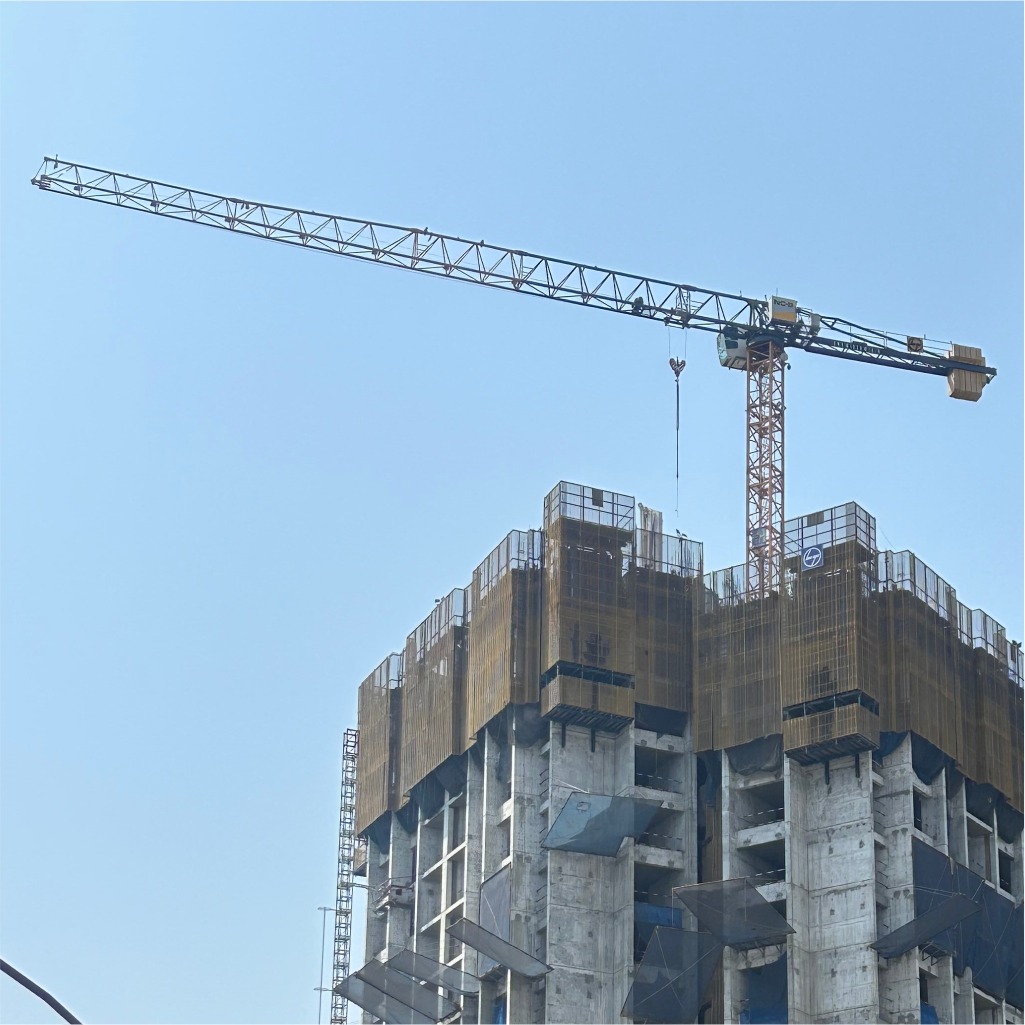
Unlike cranes, which may dominate open areas, hoists provide vertical access without interfering with finishing activities at ground level, ensuring smooth workflow.
Key Advantages Across Phases
- Time Savings
Using construction hoists significantly reduces vertical travel time, whether transporting heavy structural elements or delicate finishing materials.
- Safety and Compliance
Hoists reduce the risks associated with manual lifting and climbing, ensuring adherence to occupational safety standards throughout all phases of construction.
- Flexibility and Scalability
Modern hoists can be adapted for different heights, loads, and platform sizes, making them versatile for both structural and finishing work.
Conclusion
Construction hoists are critical tools throughout the life of a building project. From speeding up structural assembly to ensuring safe and precise finishing operations, they are key to maintaining efficiency, safety, and workflow continuity. Choosing the right hoist setup is essential for keeping high-rise construction on schedule and within budget.