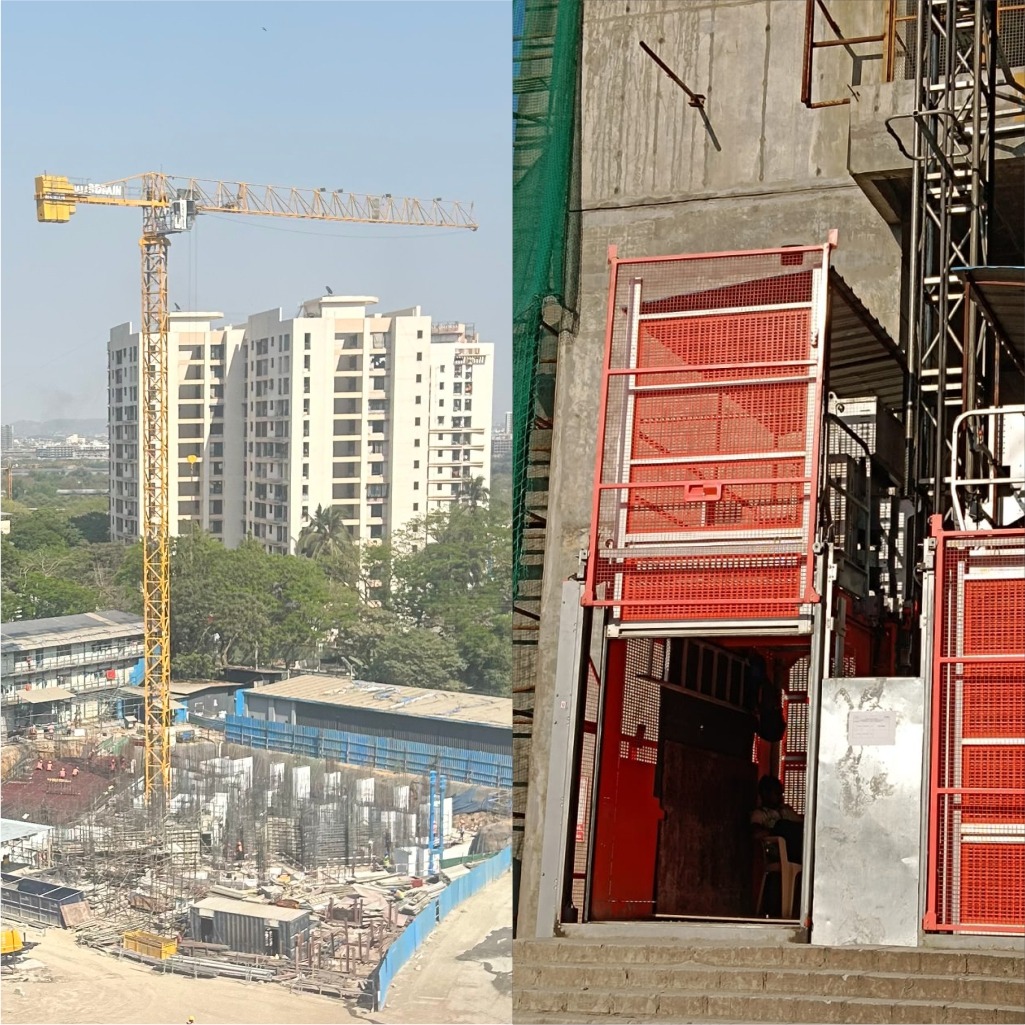
Avoid These 5 Mistakes with Construction Hoists & Cranes
Working at heights comes with immense responsibility. Whether you’re using construction hoists, tower cranes, or scaffolding, one small oversight can compromise safety, delay your project, or even result in accidents. Contractors, site managers, and maintenance teams often underestimate the importance of proper operation and planning. At Vertikal, we’ve seen the most common pitfalls, and here’s your guide to avoid them.
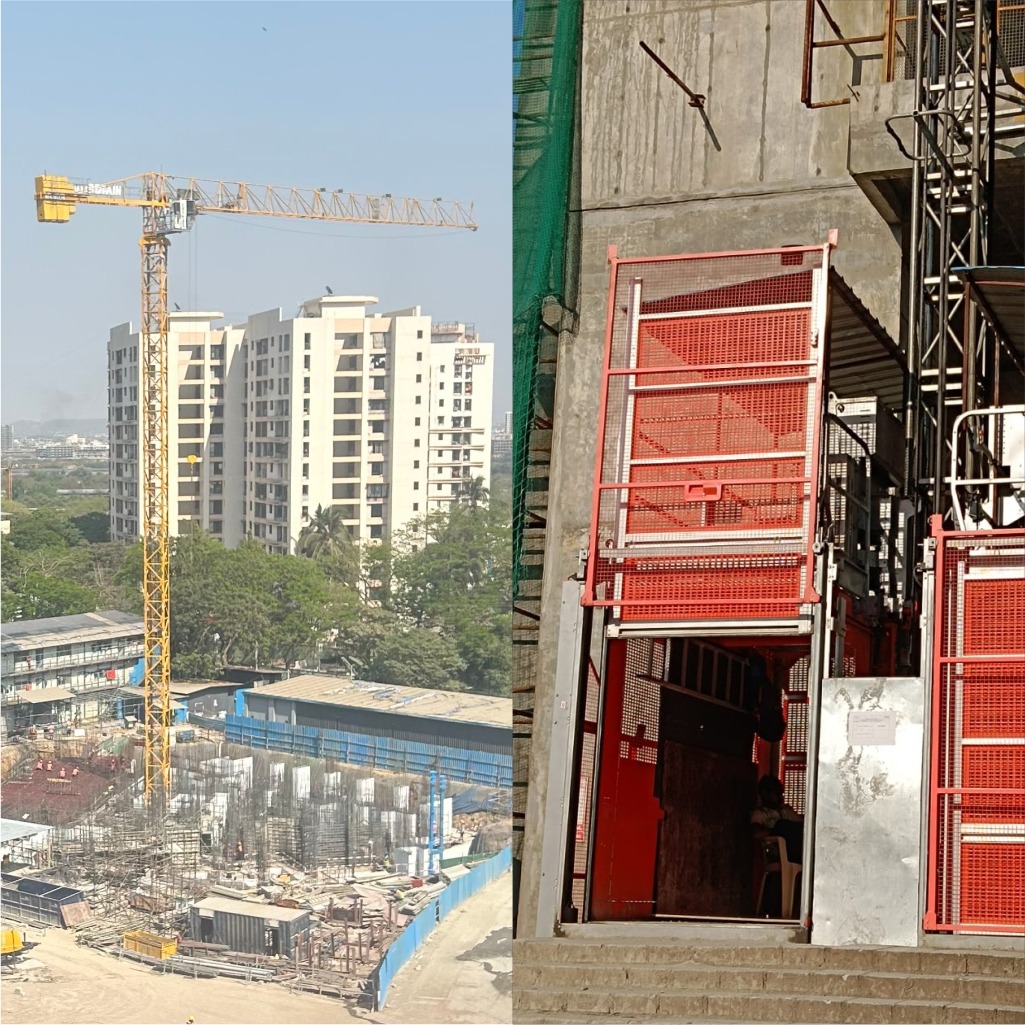
1. Skipping Pre-Use Inspections
A quick glance isn’t enough. Many site teams overlook daily inspections of hoists, cranes, and scaffolds, assuming previous checks are sufficient. Components like load chains, safety brakes, outriggers, and locking pins must be verified before every operation. Not doing so can lead to mechanical failure or accidents.
Pro Tip: Follow the manufacturer’s checklist and ensure only trained personnel conduct inspections. For Vertikal hoists and cranes, our detailed inspection guides can help you stay compliant and safe.
[Construction Hoists – https://vertikal.in/construction-hoists/]
2. Overloading Equipment
Trying to save time by stacking more material or exceeding weight limits is a common mistake. Hoists, cranes, and scaffolds have specified load capacities, and ignoring them is a recipe for disaster. Overloading can bend scaffolding frames, stress crane cables, or cause hoist platforms to collapse.
Pro Tip: Always verify the load rating on equipment and distribute weight evenly. Vertikal’s cranes and hoists come with clearly marked safe working loads — and our team can assist in calculating optimal lifting strategies.
[Tower Cranes – https://vertikal.in/tower-crane-hire/]
3. Ignoring Ground Conditions & Stability
Many accidents occur because scaffolds or crane outriggers are set up on uneven or soft ground. Even a slight tilt can compromise stability and safety. Temporary site mats or proper levelling equipment are essential to ensure a secure base.
Pro Tip: Evaluate the site before setup. Vertikal’s site assessment services help contractors identify risks and plan secure setups.
[Contact Us – https://vertikal.in/contact-us/]
4. Poor Communication & Lack of Signalers
Cranes and hoists require coordinated movement. Without proper signaling or communication between the operator and ground crew, missteps happen. Miscommunication is one of the leading causes of material collisions and injuries.
Pro Tip: Always assign a trained signaler and use clear hand or radio signals. Vertikal offers operator training programs to ensure smooth and safe on-site operations.
5. Neglecting Regular Maintenance
Even the best equipment fails if maintenance is ignored. Rust, worn cables, loose bolts, and faulty brakes can develop over time, turning reliable machinery into hazards.
Pro Tip: Schedule routine servicing, adhere to manufacturer maintenance intervals, and document all checks. Vertikal’s service support ensures cranes, hoists, and scaffolds remain in top condition, prolonging lifespan and maintaining safety.
Conclusion
Avoiding these five mistakes not only protects workers but also improves efficiency and reduces downtime. Investing time in inspections, adhering to load limits, checking site conditions, maintaining communication, and scheduling maintenance ensures your projects run safely and smoothly. At Vertikal, safety isn’t optional — it’s built into every crane, hoist, and scaffolding solution we provide.
FAQs
Q1: How often should hoists and cranes be inspected on-site?
A: Daily pre-use inspections are essential. Additionally, schedule monthly or quarterly maintenance as per manufacturer guidelines. Vertikal provides detailed inspection protocols for all equipment.
Q2: What is the safest way to set up scaffolding on uneven ground?
A: Use levelling jacks, base plates, or temporary ground mats. Always evaluate soil conditions and follow manufacturer recommendations. Vertikal’s site assessment services can guide proper setup.
Q3: Can overloading scaffolding or cranes void warranties or insurance claims?
A: Yes. Exceeding safe working loads can void equipment warranties and invalidate insurance. Always adhere to the rated capacities marked on Vertikal cranes, hoists, and scaffolds.