Flat Top Tower Cranes: 6 Powerful Benefits for Construction
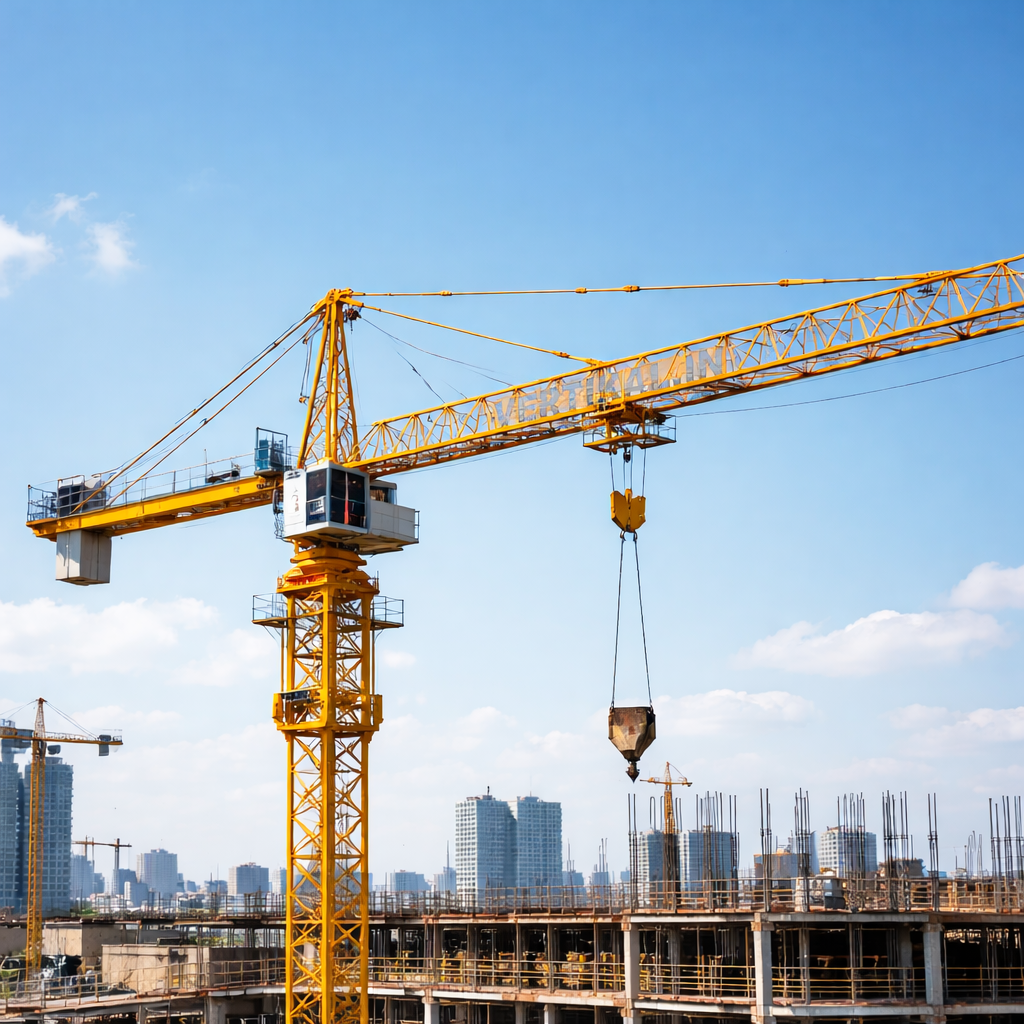
In modern infrastructure projects, flat top tower cranes are becoming the preferred choice for contractors due to their efficiency, easy assembly, and suitability for high-rise construction, commercial building projects, and crane rental services. These cranes are widely used in 2026 for fast and safe lifting operations on complex construction sites.
1. Easy Installation in Congested Construction Sites
Flat top tower cranes are designed without a tower head, making them ideal for urban construction projects, metro construction, and high-rise building sites where multiple cranes work together. Their simple structure allows faster installation and reduces downtime.
2. Perfect for High-Rise & Skyscraper Construction
Contractors prefer flat top tower crane rental for skyscrapers because these cranes provide excellent height support and stability while lifting heavy materials like steel, concrete, and glass panels in multi-storey construction projects.
3. Better Coordination When Using Multiple Cranes
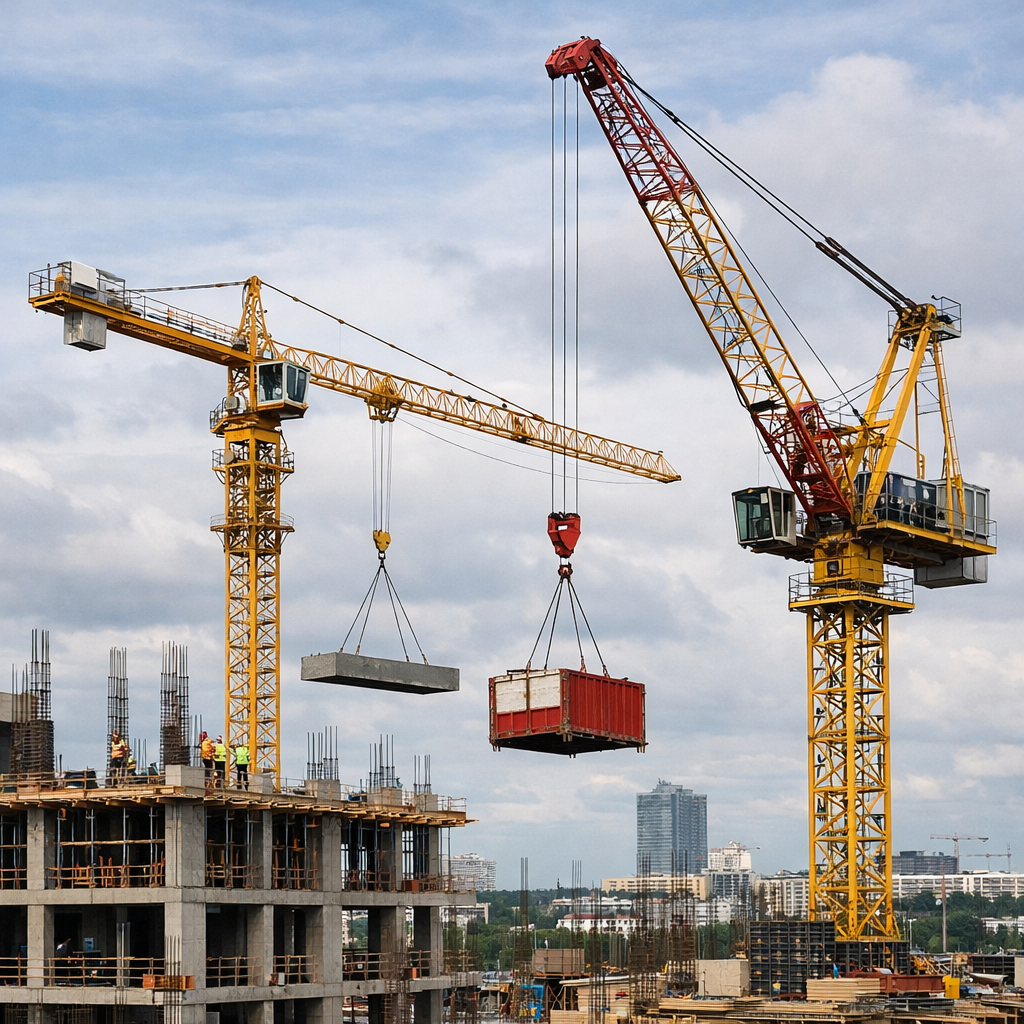
On large infrastructure projects, more than one crane is required.
Flat top tower cranes for construction sites allow easy overlap of working areas, making them ideal for commercial construction, smart city projects, and large real estate developments.
4. Faster Assembly & Dismantling Saves Project Time
Compared to traditional cranes, flat top tower crane services help reduce assembly time, which lowers labor cost and improves efficiency in construction equipment rental and heavy lifting operations.
5. High Load Capacity for Heavy Material Lifting
Modern flat top tower cranes in construction are built to handle heavy loads such as concrete buckets, structural beams, and prefabricated panels, making them essential for industrial construction, bridge projects, and infrastructure development.
6. Cost-Effective Solution for Crane Rental Projects
Because of their flexible design and easy transport, flat top tower crane rental in construction industry is more economical for contractors working on high-rise buildings, commercial towers, and large construction projects in 2026.