Flat Top Tower Cranes for Better Airspace Coordination on Site
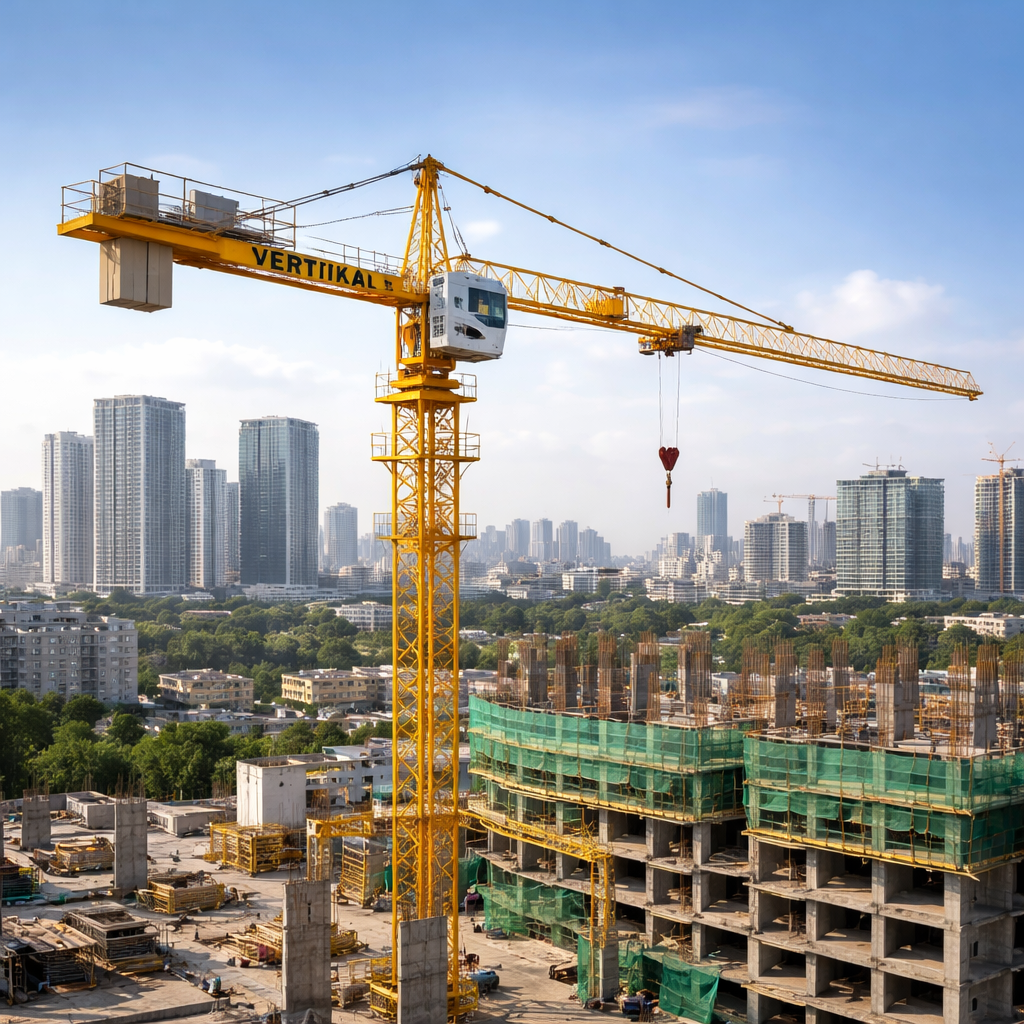
Managing multiple tower cranes on a construction site can often feel like orchestrating a complex symphony. Flat top tower cranes have emerged as a preferred choice for urban and high-density projects because they offer unique advantages in coordination, safety, and operational efficiency.
The Challenge of Multi-Crane Sites
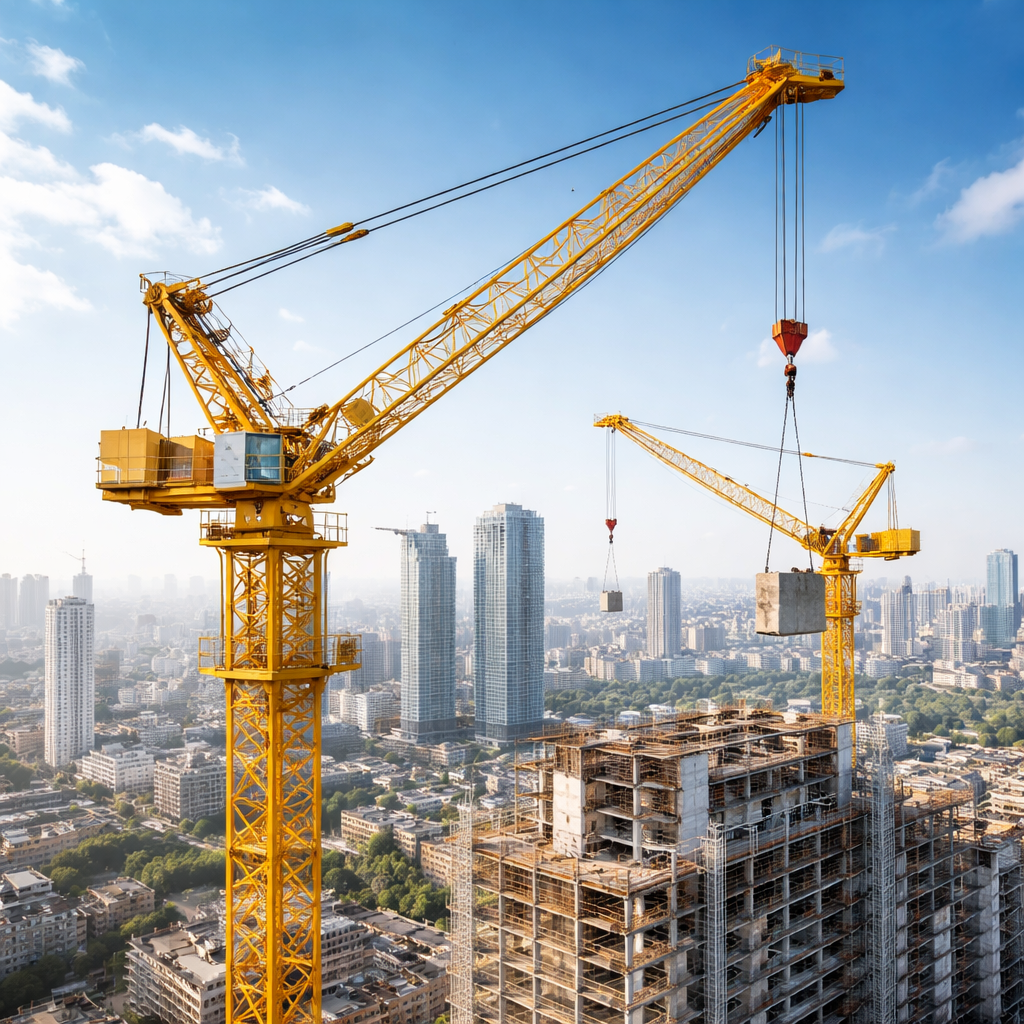
High-rise buildings and large infrastructure projects frequently require more than one crane. Coordinating these cranes is challenging due to:
- Overlapping working radii
- Limited site space
- Synchronization of lifting operations
- Risk of collision between cranes
Without proper planning, these challenges can slow progress, increase risks, and raise project costs.
Why Flat-Top Tower Cranes Excel in Coordination
Compact and Flexible Design
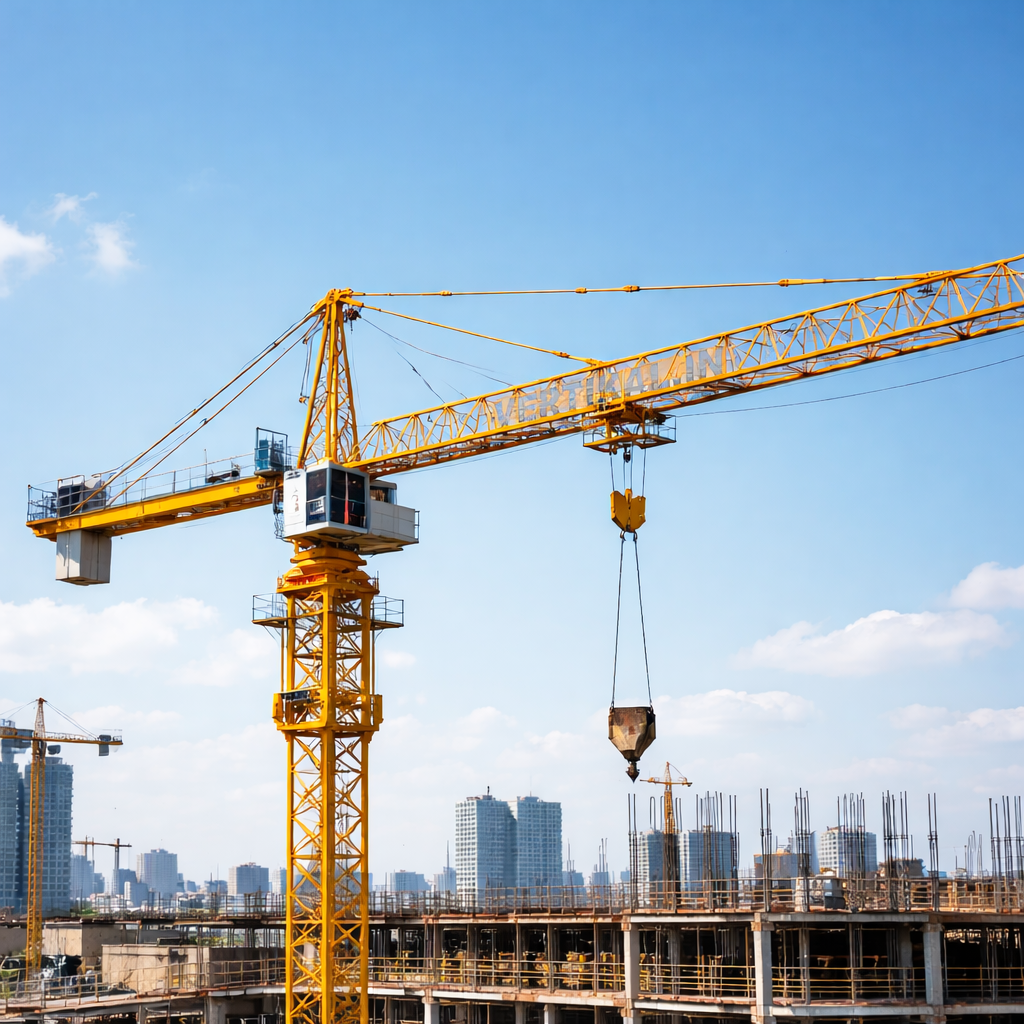
Unlike traditional luffing jib cranes, flat top cranes do not have a kingpost, which allows them to be positioned closer together. This compact design is crucial for dense urban sites where space is limited.
Optimized Slewing Capabilities
Flat top cranes can rotate 360 degrees smoothly, allowing operators to manage lifts efficiently without interference from neighboring cranes. This reduces the need for excessive repositioning and minimizes downtime.
Integrated Control Systems
Modern flat top tower cranes often come with advanced control systems that allow real-time monitoring of load, position, and swing. When multiple cranes operate together, this ensures precise coordination and avoids overlapping operational zones.
Safety Advantages
Reduced Collision Risk
With clear sightlines and precise controls, flat top cranes allow operators to maintain safe distances between cranes. This is especially important during simultaneous lifts of heavy materials.
Simplified Signalling and Communication
Flat top cranes’ predictable motion and stability simplify the use of hand signals and radio communication, making it easier for the site team to coordinate tasks safely.
Productivity Gains
Faster Setup and Repositioning
Flat top cranes can be assembled quickly and moved vertically in modular sections. This speeds up installation and allows cranes to adapt to the changing needs of the site.
Streamlined Workflow
By minimizing interference and maximizing operational efficiency, flat top cranes allow multiple lifts to happen concurrently, keeping the project on schedule and reducing labor costs.
Conclusion
Flat top tower cranes are more than just lifting machines—they are coordination tools. Their compact design, smooth rotation, advanced control systems, and safety-focused features make multi-crane operations simpler, safer, and more efficient. For modern construction projects, they are an essential component of high-density site management.