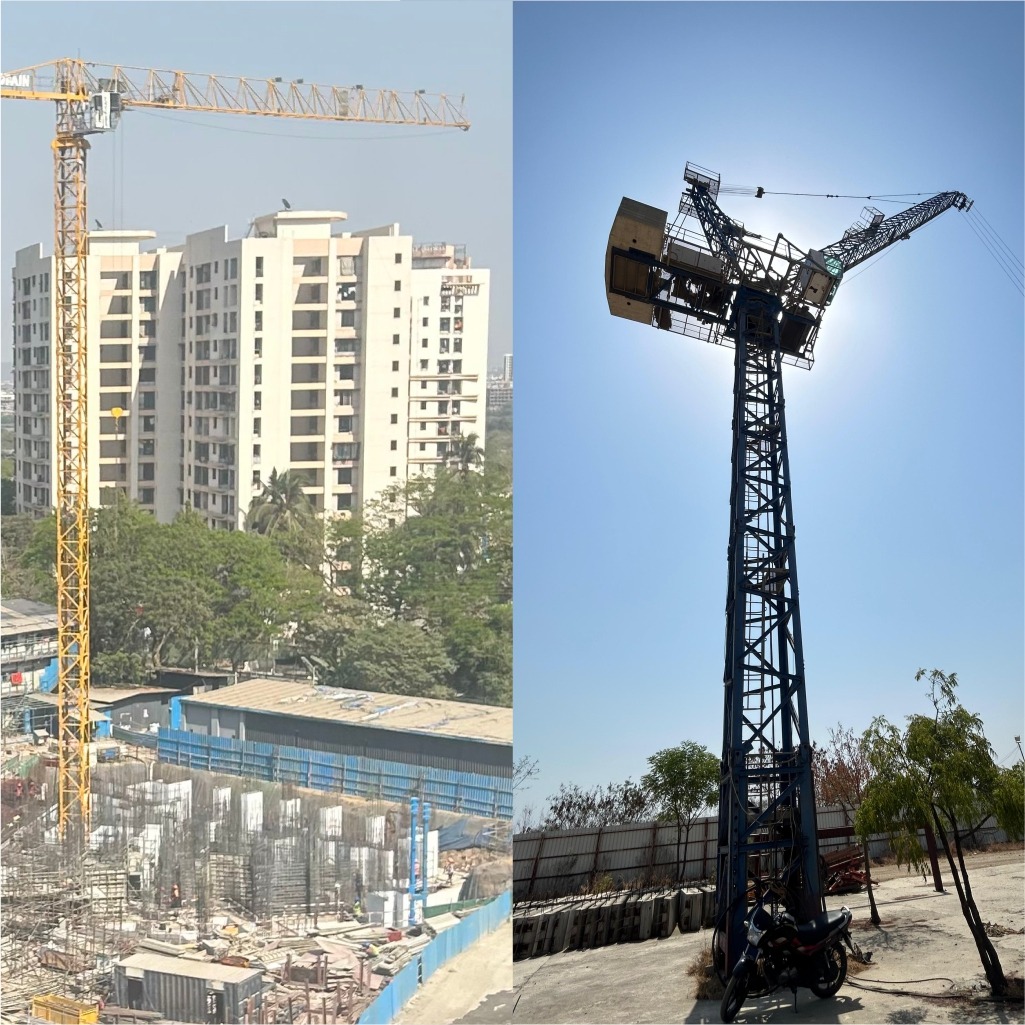
Flat-Top and Luffing Jib Tower Cranes: A Practical Urban Guide
Urban construction sites come with unique challenges—limited space, nearby buildings, strict safety requirements, and tight timelines. Choosing the right tower crane plays a major role in overcoming these challenges. Two of the most common options used in city projects are flat-top tower cranes and luffing jib tower cranes. While both are designed for high-rise construction, their applications differ based on site conditions.
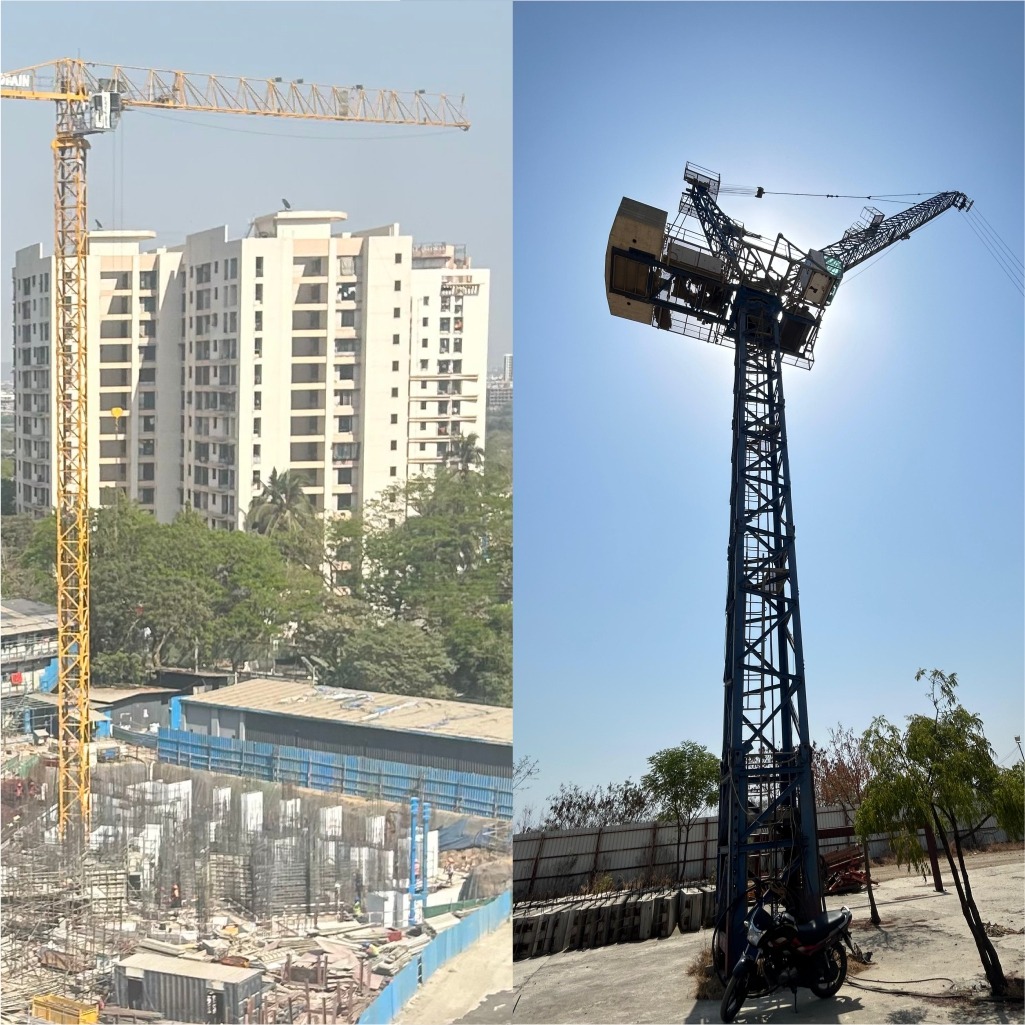
Understanding Flat-Top Tower Cranes
Flat-top tower cranes, also known as topless cranes, feature a horizontal jib without a tower head. This design makes them simpler to assemble and ideal for sites where multiple cranes operate together.
Key advantages include:
- Faster erection and dismantling
- Easier crane coordination on multi-crane sites
- Lower maintenance and operating costs
- Efficient load movement for repetitive lifting tasks
Flat-top cranes are commonly used in mid-rise and large commercial projects where there is enough space for full jib rotation and predictable lifting patterns.
When Luffing Jib Tower Cranes Make More Sense
Luffing jib tower cranes are designed for tight and congested urban environments. Their ability to raise and lower the jib allows operators to control the working radius more precisely.
They are ideal when:
- Construction sites are surrounded by existing buildings
- Oversailing adjacent properties must be avoided
- Multiple cranes are operating in very close proximity
- Projects involve tall structures with restricted swing areas
While luffing jib cranes offer excellent control, they typically involve higher initial costs and slightly slower lift cycles due to jib movement.
Key Factors to Consider Before Choosing
Before selecting a crane, project teams should evaluate:
- Available site space and air rights
- Building height and lifting radius requirements
- Number of cranes required on site
- Project duration and budget constraints
Matching crane type to site conditions helps prevent delays, improves safety, and ensures smooth operations throughout the project lifecycle.
Making the Right Choice for Urban Projects
Flat-top cranes work best for sites with moderate space and repetitive lifting needs, while luffing jib cranes are the preferred solution for high-density urban construction with strict spatial limitations.
At Vertikal, we help developers and contractors choose the right tower crane solution based on site layout, project scale, and operational needs—ensuring efficiency, safety, and long-term performance on every urban project.