How to Select the Best Mast Climber for High-Rise Construction
High-rise construction comes with unique challenges: tight schedules, heavy loads, and limited space. Choosing the right construction hoist or mast-climbing work platform (MCWP) can save time, reduce costs, and ensure worker safety. But with so many options on the market, how do contractors make the right choice?
1. Understand Your Project Needs
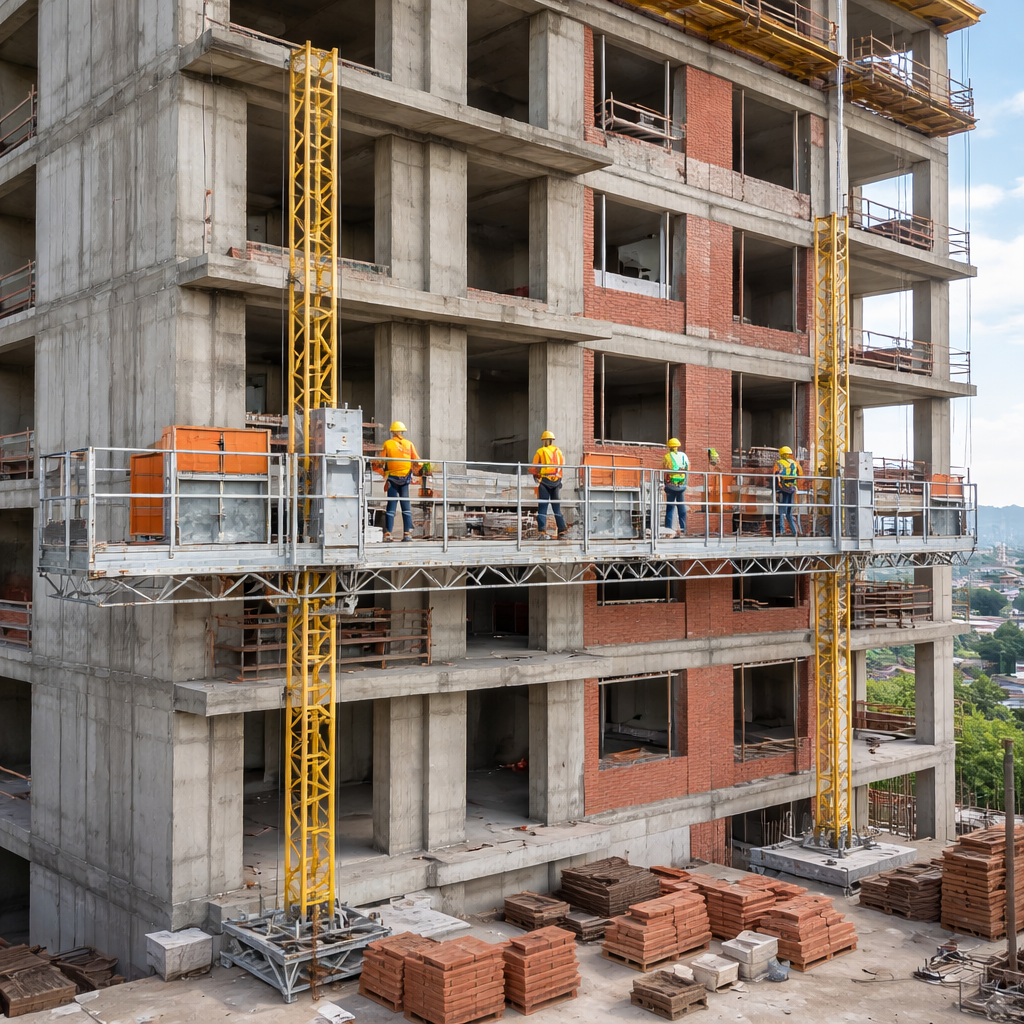
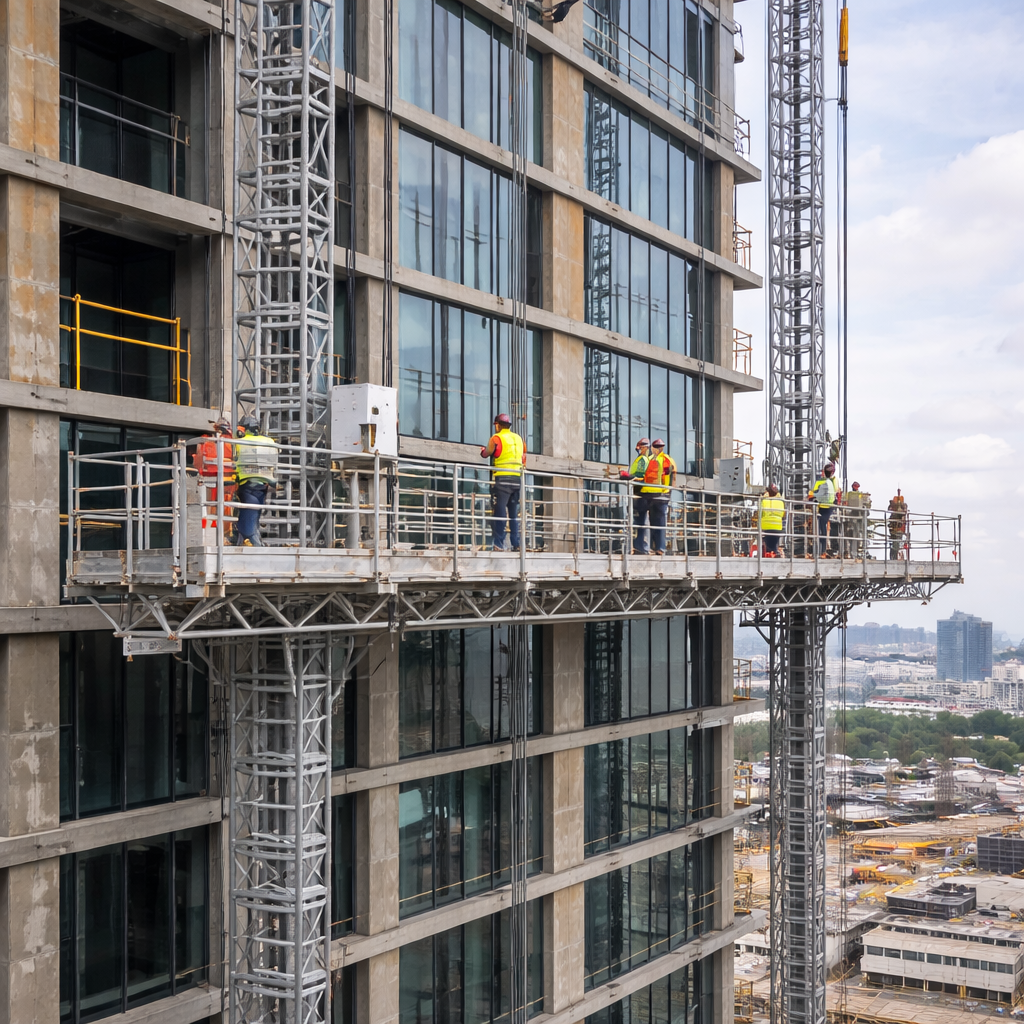
Start by assessing your building’s height, structure, and project scope. For projects over 20 floors or with heavy material movement, rack-and-pinion hoists offer reliable vertical transport of both workers and materials. On the other hand, mast-climbers are perfect for façade work, curtain wall installation, and repetitive maintenance tasks on high-rise towers. Knowing whether your priority is speed, payload capacity, or access versatility will help narrow your options.
Learn more about high-rise vertical solutions on Vertikal.
2. Consider Load Capacity and Platform Size
Safety and efficiency depend on selecting equipment that matches your load requirements. Hoists come in different capacities, from small personnel lifts to large material hoists capable of carrying tons of construction supplies. Mast-climbers vary in platform size and weight limits, allowing multiple workers and tools to operate simultaneously. Oversizing may seem safe, but it increases costs; under sizing can slow your project and risk overloading.
3. Evaluate Safety Features
High-rise work demands robust safety systems. Look for fail-safe brakes, anti-slip platforms, and emergency descent mechanisms. IRATA or local certified equipment adds credibility. Modern hoists and MCWPs also feature real-time monitoring and automatic overload protection, helping project managers track usage and prevent accidents.
4. Assess Ease of Installation and Mobility
Time is money on construction sites. Hoists that are easy to erect, dismantle, and relocate will minimize downtime. Mast-climbers with modular platforms adapt to different building geometries and can be quickly repositioned between floors. Equipment that integrates smoothly with your construction workflow ensures faster progress and higher productivity.
5. Factor in Maintenance and Service Support
Even the best hoist or MCWP can underperform if maintenance is neglected. Choose suppliers who provide on-site support, preventive maintenance, and quick troubleshooting. Vertikal, for example, offers a complete lifecycle service, ensuring that your hoists and mast-climbers remain operational throughout the project.
Explore detailed product offerings at Vertikal.
FAQs
Q1: What’s the difference between a construction hoist and a mast-climber?
A1: Construction hoists transport workers and materials vertically along the building exterior, typically using a rack-and-pinion system. Mast-climbers provide a stable working platform for façade and maintenance tasks, moving vertically along the mast while workers perform construction or installation work.
Q2: How do I know the right load capacity for my hoist or mast-climber?
A2: Calculate the maximum number of workers and materials you’ll need per lift. Factor in tools and equipment. Always select equipment slightly above your peak load to maintain safety and prevent overloading.
Q3: Is service support essential when choosing hoists or mast-climbers?
A3: Absolutely. On-site support, preventive maintenance, and quick response services minimize downtime, reduce project delays, and ensure safety compliance throughout the construction lifecycle.